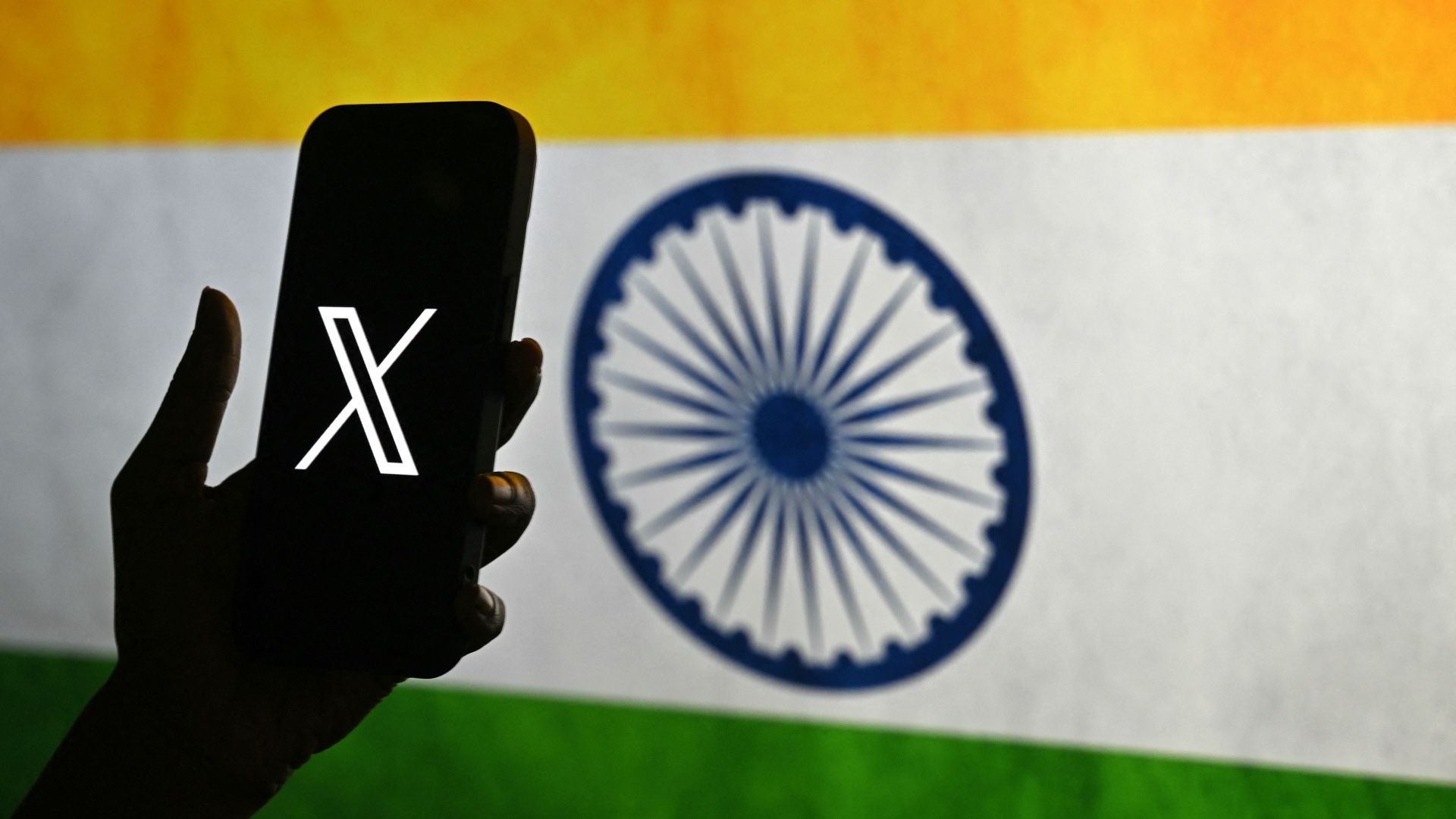
The Indian government has formally blocked the X (formerly Twitter) account of Azad Essa, a US-based South African journalist serving as a senior reporter for Middle East Eye (MEE). The action was communicated via an official email from X Support on February 20th, citing a legal directive from India’s Ministry of Information and Broadcasting under Section 69A of the Information Technology Act, 2000.
The notification stated that while X is legally compelled to restrict access to Essa’s content within India, his account remains accessible internationally. The platform advised the journalist to seek legal recourse through Indian courts to challenge the blocking order, though it emphasized it could not provide legal counsel.
Essa, whose reporting extensively covers India-Israel relations, stated he received no specific explanation for the ban. He characterized the move as emblematic of deteriorating press freedoms in India and accused X of complicity in suppressing journalism while publicly championing free speech.
This incident occurs against a backdrop of escalating tensions between X and the Indian government. Six months prior, the platform expressed concerns about censorship after temporarily blocking Reuters accounts following government requests—a move later denied by Indian authorities. In March 2025, X initiated legal proceedings against the Indian government over proposed policies that would expand officials’ authority to issue content removal requests. By May, these tensions culminated in approximately 8,000 takedown requests from Indian authorities during heightened India-Pakistan tensions.
The journalist’s blocking coincides with deepening India-Israel relations. Prime Minister Narendra Modi is reportedly planning an upcoming visit to Israel to strengthen bilateral ties, with Israeli Prime Minister Benjamin Netanyahu describing the cooperation as part of a strategic “hexagon of alliances” countering radical elements in the Middle East.
Essa, author of “Hostile Homelands: The New Alliance Between India and Israel,” reported experiencing sustained harassment from India’s right-wing factions over his coverage of India-Israel relations and Kashmir. He documented coordinated disinformation campaigns and personal threats aimed at discrediting his work.