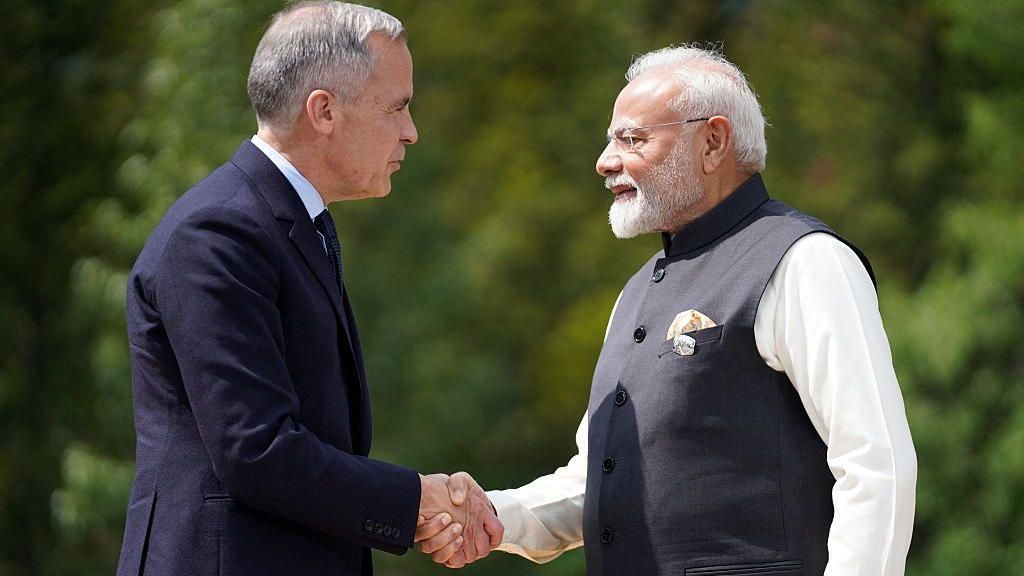
Canadian Prime Minister Mark Carney embarks on a pivotal Pacific tour this week, visiting India, Australia, and Japan in a bold diplomatic maneuver to diversify Canada’s trade partnerships. This tri-nation journey represents a calculated shift from historical economic reliance on the United States amid persistent trade tensions.
The itinerary begins Thursday in New Delhi, where Carney will meet Indian Prime Minister Narendra Modi, marking a significant thaw in bilateral relations that had frozen following former Prime Minister Justin Trudeau’s 2023 allegations of Indian involvement in a Sikh separatist’s killing on Canadian soil. The diplomatic reconciliation began when Carney extended an invitation to Modi for last year’s G7 summit in Alberta, followed by Foreign Minister Anita Anand’s productive visit to India that revived trade discussions.
Carney’s office confirmed the agenda will extend beyond trade to encompass energy cooperation, artificial intelligence development, defense partnerships, critical minerals security, maritime security protocols, and food security initiatives. This comprehensive approach reflects Canada’s strategic vision for multilateral engagement.
The Pacific initiative responds directly to what Carney termed ‘economic coercion’ by great powers during his World Economic Forum address in Davos—a clear reference to Trump administration policies. With approximately 75% of Canadian exports currently US-bound, Carney has articulated an ambitious goal to double non-US exports within the next decade.
This reorientation has already produced tangible policy shifts, including Canada’s break from US trade policy through the removal of Chinese electric vehicle tariffs in exchange for reduced Chinese tariffs on Canadian agricultural products. The trade diversification strategy unfolds against a complex backdrop: while the US Supreme Court recently struck down broad Trump-era tariffs, sector-specific duties on Canadian steel, aluminum, and automobiles remain intact.
Simultaneously, the United States-Mexico-Canada Agreement (USMCA) faces critical renegotiation, with all three nations required to decide on its extension this summer. While Canada and Mexico advocate for maintaining the trilateral pact, Trump administration officials have indicated preference for bilateral agreements, creating additional uncertainty for North American trade relations.