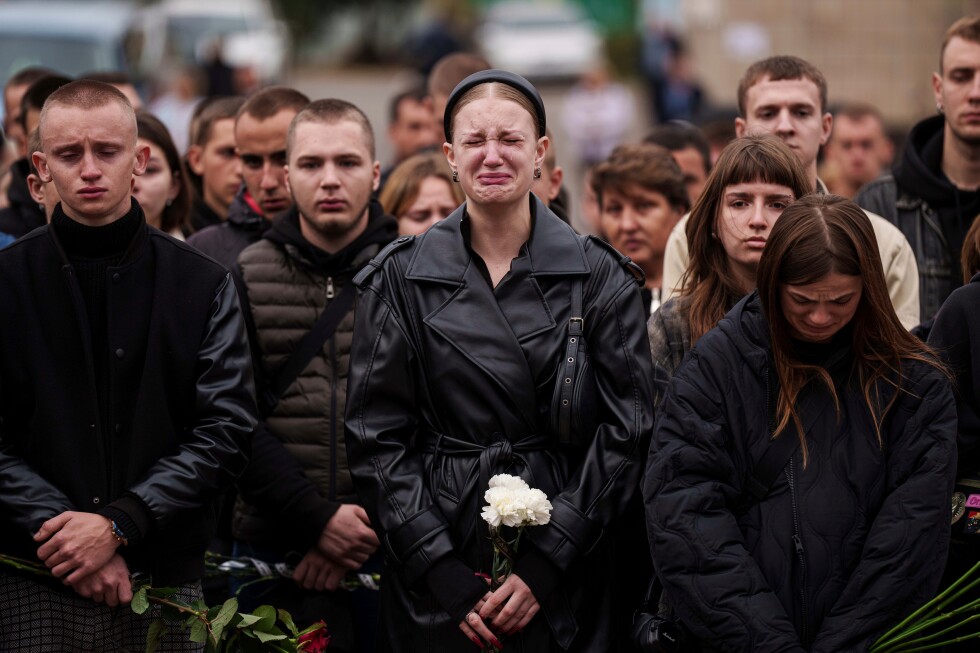
As the Ukraine conflict marks its grim fourth anniversary this Tuesday, Europe’s largest military confrontation since World War II continues with no resolution in sight. The devastating war has fundamentally reshaped continental security architecture while inflicting unprecedented suffering on combatants and civilians alike.
Peace negotiations brokered by the U.S. administration have encountered significant obstacles, particularly regarding the status of Russian-occupied Ukrainian territories and postwar security guarantees for Kyiv. These diplomatic efforts have yielded minimal progress amid entrenched positions from both Moscow and Kyiv.
The human toll remains staggering: recent analysis from the Center for Strategic and International Studies estimates approximately 1.8 million military casualties (killed, wounded, or missing) across both armies. Russian forces have reportedly suffered between 1.1-1.2 million casualties, including up to 325,000 fatalities—the highest death toll for any major power in a single conflict since World War II. Ukrainian military casualties are estimated at 500,000-600,000, with President Zelenskyy acknowledging 55,000 troop deaths earlier this month.
Civilian suffering has been equally devastating. The UN Human Rights Monitoring Mission documents nearly 15,000 confirmed civilian deaths (acknowledging this as a conservative estimate) with over 40,600 injuries. Tragically, at least 763 children have perished in the conflict, with 2025 representing the deadliest year for civilians since the invasion began.
The territorial situation remains largely stagnant despite massive military investment. Russia currently occupies 19.4% of Ukrainian territory, having gained merely 0.79% over the past year according to the Institute for the Study of War. This minimal territorial shift highlights the grinding war of attrition that has characterized recent fighting.
International support dynamics have shifted significantly, with foreign military aid to Ukraine declining by 13% last year compared to the 2022-2024 average. This reduction coincides with the Trump administration halting weapons shipments to Kyiv, though European nations have increased their military assistance by 67% during the same period.
The humanitarian crisis continues to deepen, with 5.9 million Ukrainians having fled the country—5.3 million finding refuge in European nations—while another 3.7 million remain internally displaced. Additionally, the World Health Organization has recorded 2,851 Russian attacks affecting medical care provision, including 2,347 direct strikes on healthcare facilities.