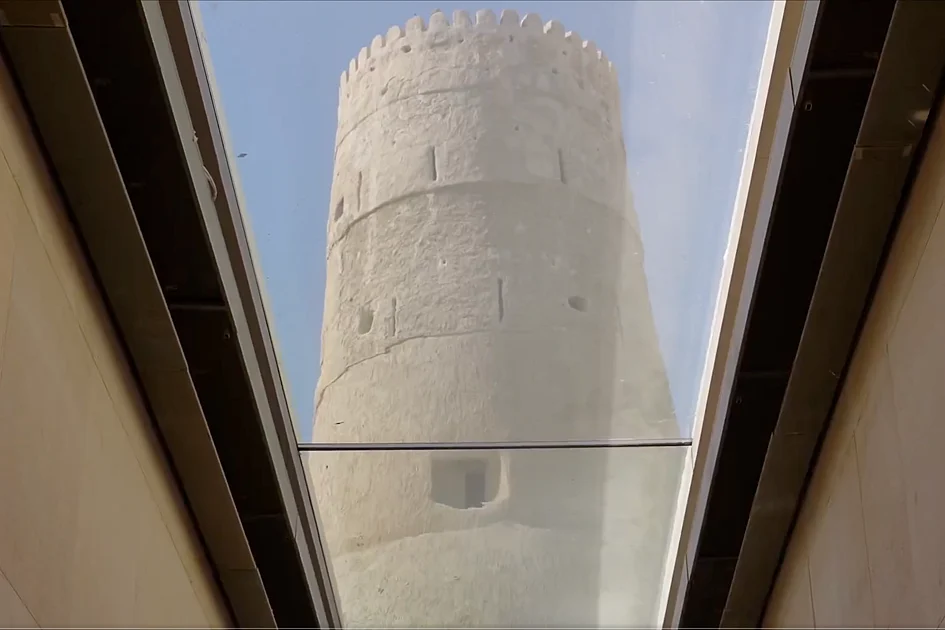
Dubai’s iconic Al Fahidi Fort, one of the emirate’s most ancient structures dating back to 1787, is poised to reopen its gates to the public during the first half of this year following an extensive rehabilitation project. The landmark development was confirmed on Sunday following an inspection tour by Sheikha Latifa bint Mohammed bin Rashid Al Maktoum, Chairperson of Dubai Culture and Arts Authority, who reviewed the final phase of restoration works.
This historically significant fortress, which has witnessed Dubai’s remarkable transformation from a modest coastal settlement to a global metropolis over two centuries, will be reimagined as a cutting-edge museum experience. The revitalized complex will feature six meticulously curated galleries and exhibition spaces showcasing precious historical artifacts, archival photography, and rare documents that chronicle the emirate’s rich heritage.
Through innovative digital media installations, audiovisual presentations, and interactive 3D displays, visitors will embark on an immersive journey tracing the fort’s evolution and its multifaceted role throughout history. Before its initial conversion into Dubai’s inaugural museum in 1971, the site served as a vital community hub, center of governance, judicial headquarters, and residential quarters for successive generations of rulers whose visionary leadership shaped modern Dubai.
Sheikha Latifa emphasized the fort’s profound cultural significance, stating: “Al Fahidi Fort stands as a reminder of where our journey began; within its walls lies the spirit of a city shaped by vision and belief in what could be achieved.” She highlighted the foresight of the late Sheikh Rashid bin Saeed Al Maktoum in recognizing that enduring progress must be built upon strong foundations and clear purpose.
The restored monument will serve as both a cornerstone of Dubai’s cultural landscape and a key pillar of its cultural tourism strategy, offering visitors meaningful insights into the traditions, daily life, and values that forged the emirate’s unique identity while safeguarding this heritage for future generations.