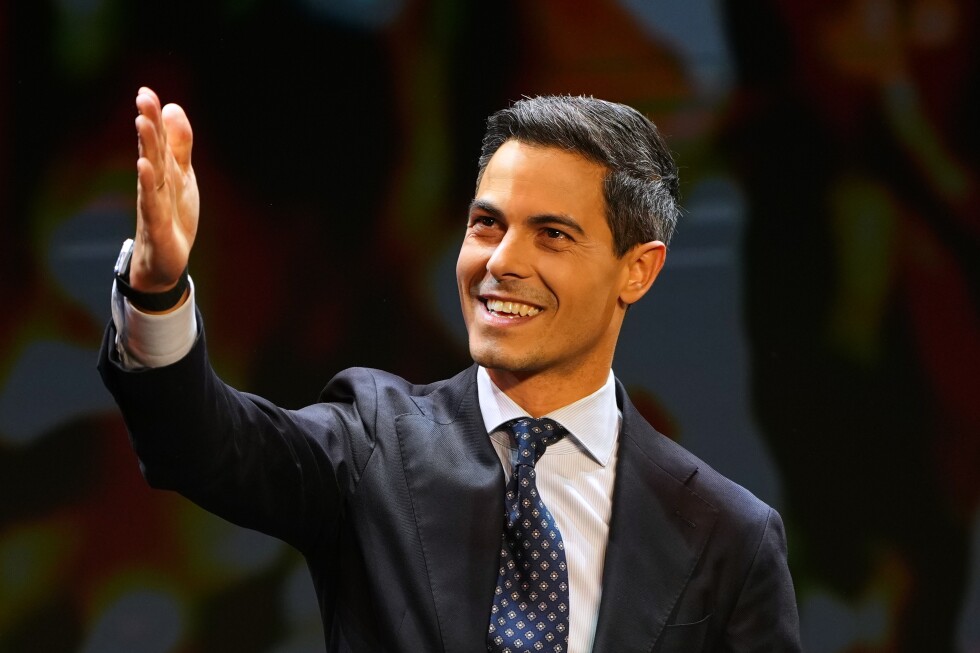
THE HAGUE, Netherlands — In a ceremony at the Huis ten Bosch Palace on Monday, King Willem-Alexander formally inaugurated the Netherlands’ newest coalition government under Prime Minister Rob Jetten, who at 38 becomes the country’s youngest-ever leader. The administration faces immediate governing challenges as it commands only a minority position in parliament.
The three-party coalition comprises Jetten’s centrist D66 party alongside two center-right partners: the Christian Democrats and the People’s Party for Freedom and Democracy. Collectively, they control just 66 seats in the 150-member lower house, requiring extensive negotiation with opposition factions for every legislative proposal.
This fragile majority faces its first test from the newly merged Green Left-Labor Party bloc, which has already voiced strong opposition to the government’s proposed healthcare and welfare reductions. Opposition leader Jesse Klaver declared on social media platform X that the plans would burden ordinary citizens with hundreds of euros in additional costs while exempting the wealthiest from proportional contributions.
The political landscape leading to this minority government emerged from October’s snap election, triggered when Geert Wilders’ Party for Freedom withdrew from the previous coalition in June. Jetten’s D66 narrowly secured victory through postal ballots after tying with Wilders’ party in seat count.
Internationally, Prime Minister Jetten aims to reestablish the Netherlands’ influential role within the European Union, which many observers believe diminished under the previous administration. Despite past criticisms of U.S. President Donald Trump, Jetten emphasizes maintaining strong transatlantic relations while prioritizing European cooperation. His government has committed to continuing military support for Ukraine against Russian aggression.
Key ministerial appointments include Christian Democrat Tom Berendsen as Foreign Minister, expected to leverage his European Parliament experience to revitalize Dutch diplomacy. Eelco Heinen retains his position as Finance Minister, providing continuity in economic stewardship. Dilan Yeşilgöz-Zegerius transitions from Justice to Defense Minister, tasked with military strengthening, while Bart van den Brink will lead immigration policy with focus on asylum processing reforms.