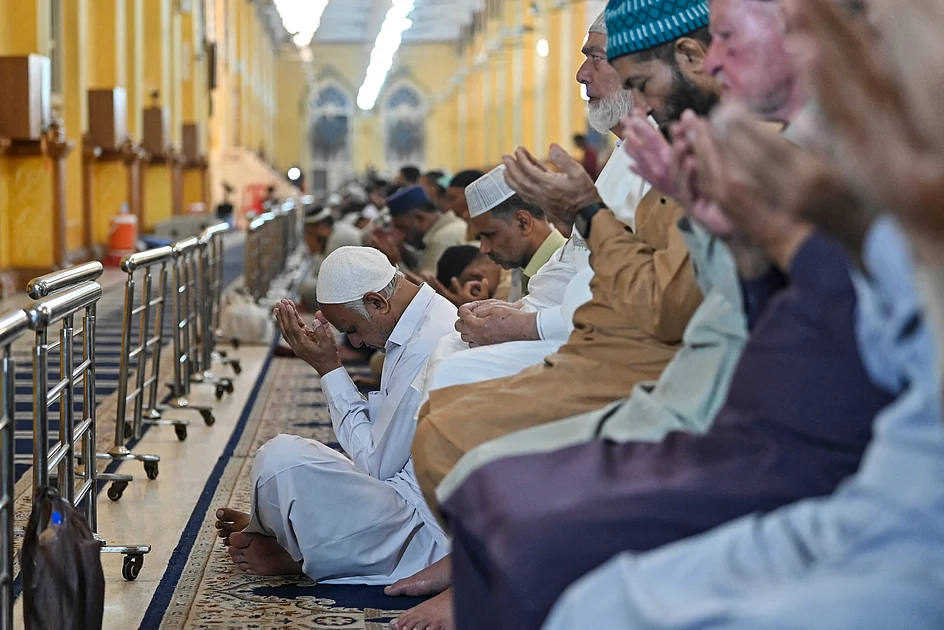
As Ramadan commences across the United Arab Emirates, healthcare professionals are observing a predictable pattern of physiological adaptation among fasting residents. Many individuals report experiencing pronounced headaches, persistent fatigue, and diminished energy levels during the initial week of fasting, particularly in the hours preceding iftar.
Medical experts attribute these symptoms to the body’s complex adjustment to altered nutritional intake, hydration patterns, and sleep cycles. Dr. Archana Purushothaman, an endocrinology and metabolism specialist at Fakeeh University Hospital Dubai, explains: “During the first days of Ramadan, the body undergoes significant metabolic recalibration. Blood glucose levels progressively decrease, insulin secretion patterns shift, and mild dehydration frequently develops. Simultaneously, hormonal regulators of energy must establish new rhythmic patterns.”
This temporary biochemical imbalance manifests most noticeably during late afternoon hours when the body’s glycogen reserves become depleted. Clinical dietitian Swapna Mary John of International Modern Hospital Dubai emphasizes that dehydration plays a more substantial role than commonly recognized: “Thirst represents a delayed indicator of dehydration. Even moderate fluid loss can impair cerebral blood flow and muscular function, resulting in cephalalgia, reduced vitality, and concentration difficulties.”
The phenomenon, colloquially termed ‘Ramadan crash’ by residents, proves particularly challenging for habitual caffeine consumers experiencing withdrawal symptoms. Salim S., a Dubai resident, describes his experience: “I initiate each day feeling normal, but by mid-afternoon, I develop debilitating cephalgia and diminished focus. The only recourse often involves resting until iftar.”
Nutritional choices significantly influence energy sustainability throughout the fasting period. Experts identify common suhoor misconceptions, including overreliance on refined carbohydrates and sugary items that provoke rapid glycemic fluctuations. Conversely, healthcare professionals recommend incorporating complex carbohydrates, lean proteins, and healthy fats during pre-dawn meals to stabilize metabolic parameters.
Hydration management represents another critical consideration. Rather than consuming large volumes simultaneously, medical advisors suggest gradual fluid intake between iftar and suhoor, complemented by moisture-rich foods like fruits and soups. These strategies collectively help mitigate the adaptation challenges associated with Ramadan’s initial phase while honoring religious traditions.