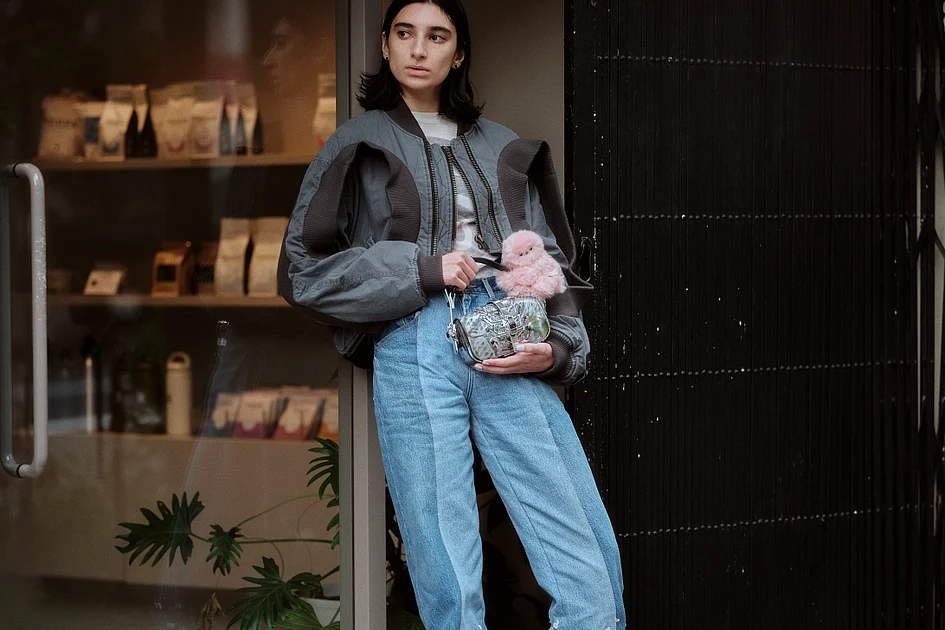
The fashion landscape is undergoing a profound transformation as artificial intelligence merges with emotional design to create irresistible consumer products. The emergence of interactive robotic accessories like Mirumi demonstrates how technology is reshaping purchasing decisions through sophisticated algorithmic targeting and psychological engagement strategies.
This technological revolution began capturing consumer attention through precisely targeted social media advertisements that identified potential buyers based on their digital behavior patterns. The Mirumi robotic bag charm—available in pastel pink, cream, and grey—represents a new category of fashion-tech hybrids that combine tactile appeal with interactive artificial intelligence. Unlike traditional accessories, these devices employ sophisticated algorithms to mimic lifelike behaviors, including responsive head movements and simulated emotional expressions designed to trigger nurturing instincts.
The commercial implications are substantial. Industry analysis from McKinsey projects that AI-mediated commerce could influence between $3 to $5 trillion in global consumer spending by 2030. This shift extends beyond obvious technological displays like LED-enhanced clothing to more subtle algorithmic interventions that determine which fashion styles consumers encounter during online searches.
What makes these products particularly compelling is their ability to forge emotional connections. The Mirumi’s design intentionally mimics infant-like characteristics, leveraging psychological principles that trigger caregiving responses. This approach has proven remarkably effective, with similar emotional design strategies having generated approximately $20 billion in value for previous viral products like Labubu.
The rise of fashion technology coincides with growing discussions about AI’s broader societal impact, including recent warnings from AI researchers about potential risks. Yet in the consumer space, the technology is increasingly integrated into daily life through agentic commerce systems that mediate between consumers and products with growing sophistication.
For those preferring technology-free alternatives, brands like Veganologie offer sustainable options featuring endangered species designs crafted from bamboo fiber leather. However, the dominant trend clearly points toward increasingly interactive fashion-tech hybrids that blend physical products with digital intelligence, creating new categories at the intersection of technology, fashion, and emotional design.