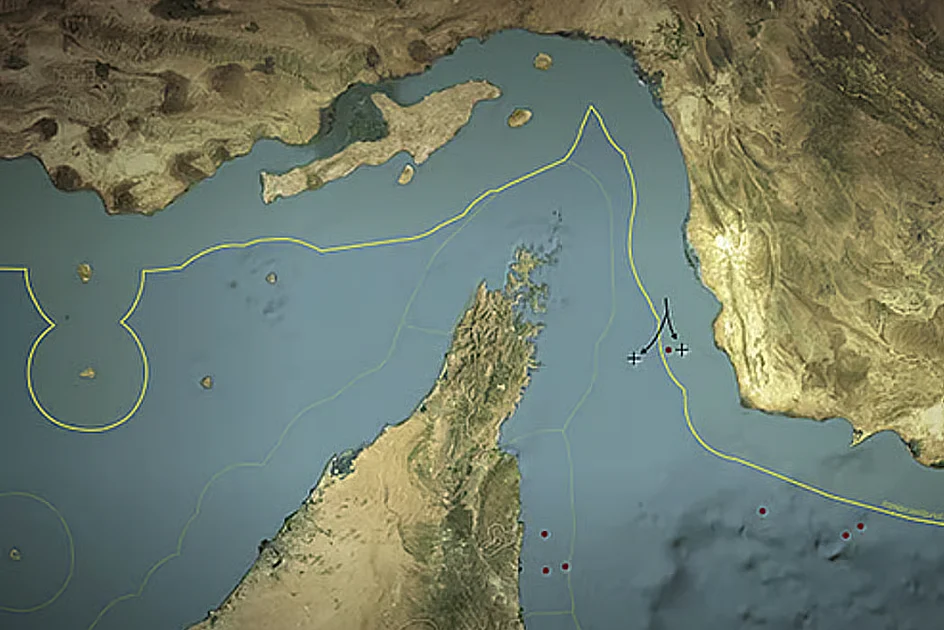
Escalating military tensions between the United States and Iran have triggered a resurgence of risk premiums in global oil markets, with analysts warning of potential supply disruptions through the critical Strait of Hormuz. The strategic waterway, through which approximately 20 million barrels of oil transit daily, has become the focal point of renewed geopolitical anxieties.
According to Saxo Bank analysis, the current geopolitical insurance premium has added approximately $5-7 to crude prices. This assessment comes as both Brent and WTI crude benchmarks surged more than 1.4% to $71.35 and $66.15 per barrel respectively following heightened concerns about potential U.S. military action against Tehran.
Ole Hansen, Head of Commodity Strategy at Saxo Bank, emphasized that the recent price rally above $70 reflects Middle East supply-disruption risks rather than fundamental market shifts. “The vulnerability lies not only in Iran’s own exports but in the region’s collective dependence on the strait,” Hansen noted in a market commentary released Thursday.
While Saudi Arabia and the United Arab Emirates maintain meaningful bypass infrastructure—including the UAE’s Abu Dhabi Crude Oil Pipeline and Saudi Arabia’s East-West Petroline—analysts estimate practical spare capacity at only 2-3 million barrels per day. This falls significantly short of the 20 million barrels that typically transit Hormuz daily.
Industry experts warn that even partial disruption would trigger immediate consequences. Anis Sajan, Vice Chairman of Danube Group, highlighted the strait’s critical importance for Gulf Cooperation Council economies: “Any extended disruption would impact all goods transported via this route, leading to shortages and price increases. For building materials specifically, even short disruptions can affect freight costs and project execution.”
The situation remains fluid as diplomatic efforts continue, with Oman mediating indirect talks between Washington and Tehran. Market participants are closely monitoring developments, aware that any resolution could quickly reverse the current risk premium and push prices toward the low $60s.