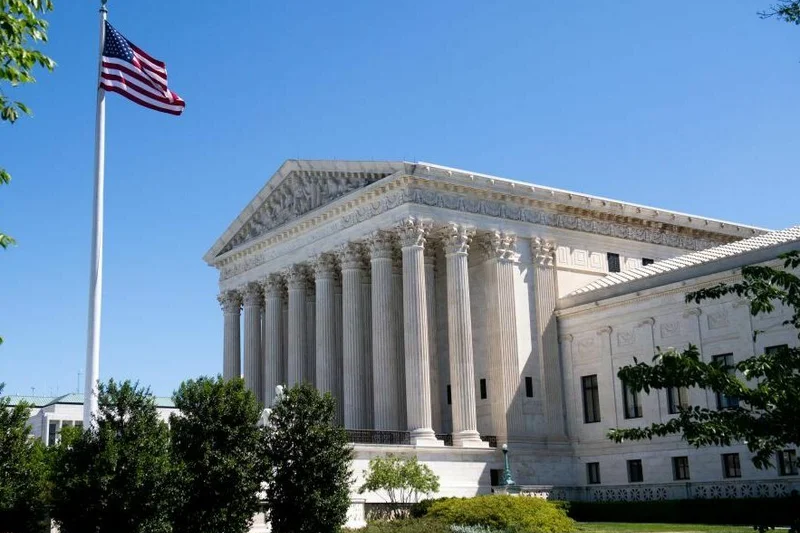
In a landmark judicial decision with profound implications for executive power, the U.S. Supreme Court has invalidated former President Donald Trump’s utilization of emergency authorities to impose sweeping tariffs. The 6-3 ruling, delivered on Friday, represents a significant judicial check on presidential trade policy and has been met with widespread approval from business communities and legislators across the political spectrum.
The court determined that the executive branch had significantly overstepped its constitutional boundaries by declaring national emergencies to justify tariffs against numerous trading partners. This judicial finding renders a substantial portion of tariffs enacted the previous year unlawful, potentially triggering billions in duty refunds to affected companies.
Neil Bradley of the U.S. Chamber of Commerce characterized the decision as “welcome news for businesses and consumers alike,” highlighting how the tariffs had precipitated substantial cost escalations and severe supply chain disruptions throughout the American economy. The Chamber immediately called upon the administration to expedite reimbursement of unlawfully collected duties and undertake a comprehensive overhaul of national tariff policy to foster economic expansion and reduce household expenses.
This sentiment was echoed by ‘We Pay the Tariffs,’ a coalition representing small business interests, which demanded “full, fast and automatic” refunds for its members who had paid billions in duties that were, according to the Court’s ruling, improperly levied.
The decision received notable bipartisan support, with Republican Senator Mitch McConnell of Kentucky welcoming the judicial reaffirmation of congressional authority in trade matters. “The American people already understand that when Washington establishes artificial trade barriers, domestic construction and consumer purchasing become markedly more expensive,” McConnell stated.
Foreign policy experts suggested the ruling could curtail the executive’s ability to deploy tariffs as a rapid-response geoeconomic instrument, though alternative statutory pathways for implementing tariffs through conventional trade negotiations remain available. Some industry representatives expressed lingering concerns about potential future tariff implementations through different legal mechanisms, indicating that certain policy uncertainties persist despite this decisive judicial intervention.