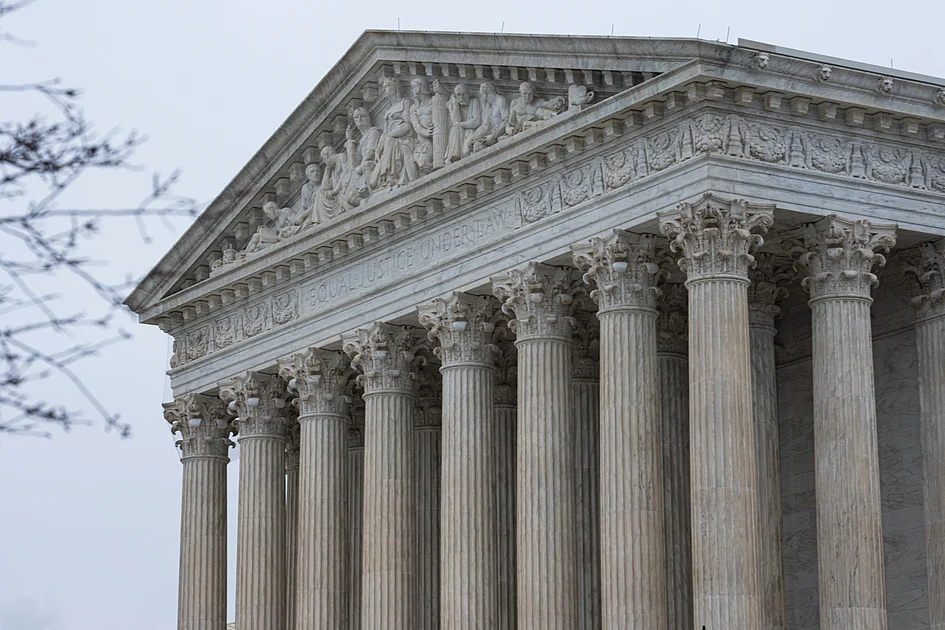
In a landmark decision with profound implications for presidential trade powers, the US Supreme Court declared Friday that former President Donald Trump overstepped his constitutional authority by imposing sweeping global tariffs under emergency economic statutes. The 6-3 ruling from the conservative-majority court specifically invalidated tariffs implemented under the International Emergency Economic Powers Act (IEEPA), marking a significant check on executive trade authority.
The court determined that IEEPA—legislation originally designed for national security emergencies—does not provide legal foundation for imposing broad tariff measures. Justice Samuel Alito, writing for the majority, emphasized that “had Congress intended to convey the distinct and extraordinary power to impose tariffs with IEEPA, it would have done so expressly, as it consistently has in other tariff statutes.”
This ruling affects multiple tariff initiatives Trump enacted upon returning to office last year, including so-called “reciprocal” tariffs targeting trade practices deemed unfair by Washington, alongside separate duties imposed on Mexico, Canada, and China concerning drug trafficking and immigration issues. The decision upholds earlier findings from lower courts that had blocked these tariffs from taking effect pending appeal.
Notably, the ruling does not impact sector-specific tariffs on steel, aluminum, and various other goods that Trump implemented through different legal mechanisms. Several formal investigations that could lead to additional sectoral tariffs remain ongoing. The White House has indicated it will explore alternative legislative pathways to address what it characterizes as unfair global trade practices.