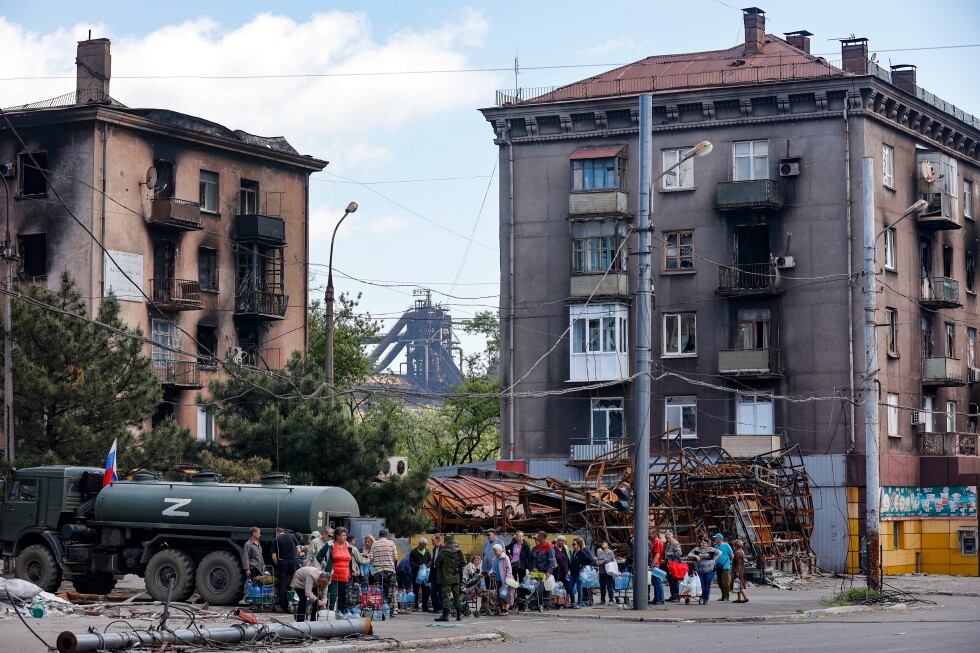
Four years into Russia’s full-scale invasion of Ukraine, survivors who escaped occupied territories reveal a systematic pattern of terror, cultural suppression, and humanitarian crisis under military control. Inna Vnukova’s family from Kudriashivka village exemplifies the ordeal—hiding in basements from constant shelling, facing weapon-wielding soldiers who looted homes and established checkpoints while hunting Ukrainian sympathizers.
Vnukova’s perilous escape with her son through mortar fire, waving white sheets, mirrors thousands of Ukrainians fleeing detention or death. Those remaining face forced Russification: mandatory passport acquisition for essential services, imposed language and curriculum in schools, and relentless filtration operations targeting dissidents.
Human rights documentation confirms widespread atrocities. Oleksandra Matviichuk of the Nobel-winning Center for Civil Liberties reports ‘systemic and total control’ through secret detention networks where torture becomes routine. UN investigations corroborate beatings, electric shocks, and sexual violence against detainees, with approximately 16,000 civilians illegally held—many incommunicado.
Infrastructure collapse exacerbates suffering. Cities like Mariupol, Sievierodonetsk, and Alchevsk grapple with destroyed heating systems, water shortages, and crippled healthcare. In Sievierodonetsk, a single ambulance serves 45,000 mostly elderly residents, while Alchevsk endures winter without heat for months.
Despite Putin’s acknowledgment of ‘urgent problems’ and promises of development, residents report systemic neglect. Housing allocations favor Russian newcomers over displaced locals, and documented cases of organ harvesting—like journalist Victoria Roshchyna’s torture-murder—highlight extreme brutality.
Estonia now hosts survivors like Vnukova’s family, rebuilding lives while mourning hollowed communities. Their native Luhansk village retains only 150 of 800 original residents, symbolizing the occupied territories’ depopulation and cultural erasure.