In an unprecedented legal breakthrough, Zimbabwean authorities have successfully utilized lion DNA evidence to convict poachers for the first time in global wildlife crime history. The landmark case, recently disclosed by wildlife conservation NGO Traffic, demonstrates a revolutionary application of forensic science in combating illegal wildlife trade.
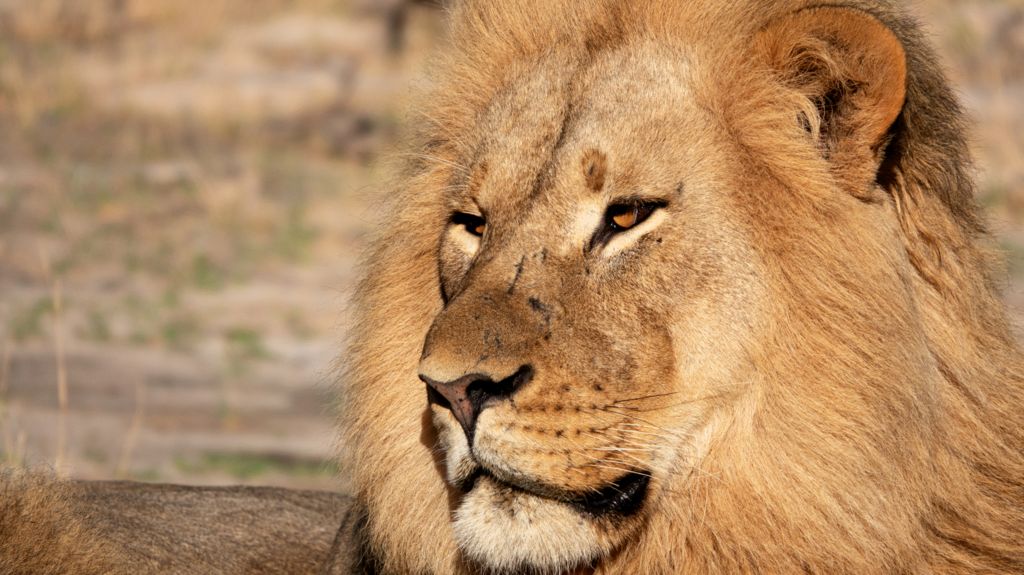
The groundbreaking prosecution stemmed from a May 2024 incident in Hwange National Park, where wildlife authorities grew suspicious when a radio-collared male lion’s tracking device ceased functioning. Investigators tracing the final signal location discovered a snare containing lion fur, triggering an intensive investigation that led authorities to a nearby village.
During searches, police uncovered substantial evidence including three sacks of meat, sixteen lion claws, and four teeth in the possession of two suspects. Traditionally, such possession might have been dismissed as inherited traditional ornaments or remains from naturally deceased animals, creating persistent legal hurdles in previous prosecution attempts.
However, Zimbabwe’s sophisticated lion DNA database—developed over eight years through £250,000 funding from the UK’s People’s Postcode Lottery to the Victoria Falls Wildlife Trust—provided the critical breakthrough. Forensic specialists compared DNA profiles from the seized body parts against the database, achieving perfect matches with the blood sample previously collected from the radio-collared lion.
Within ten days of the killing, prosecutors presented the irrefutable DNA evidence in court, resulting in both suspects pleading guilty. The convicted poachers received 24-month prison sentences, with the court acknowledging the lion’s value at approximately $20,000.
Professor Rob Ogden, co-founder of TRACE organization promoting forensic science in wildlife enforcement, hailed the conviction as delivering “a message of hope” demonstrating how integrated training, research, and forensic casework can combat wildlife crime. The anonymous lead scientist involved emphasized the technological leap: “Before this technology, we could only do species identification, which sometimes wasn’t enough. Now we can match specific products to individual lions.”
The breakthrough arrives amid concerning trends in lion poaching, with recent figures indicating rising demand for body parts used as cultural artifacts in Africa and ingredients in traditional Chinese medicine. Organized crime networks previously focused on rhino horn and ivory trafficking are suspected of diversifying into lion part trades, evidenced by significant seizures including 17 lion skulls intercepted in Lusaka (2021) and over 300kg of lion parts confiscated in Maputo (2023).
This forensic methodology establishes a powerful new deterrent against wildlife crime, providing law enforcement worldwide with scientifically robust evidence to secure convictions previously impossible to obtain.