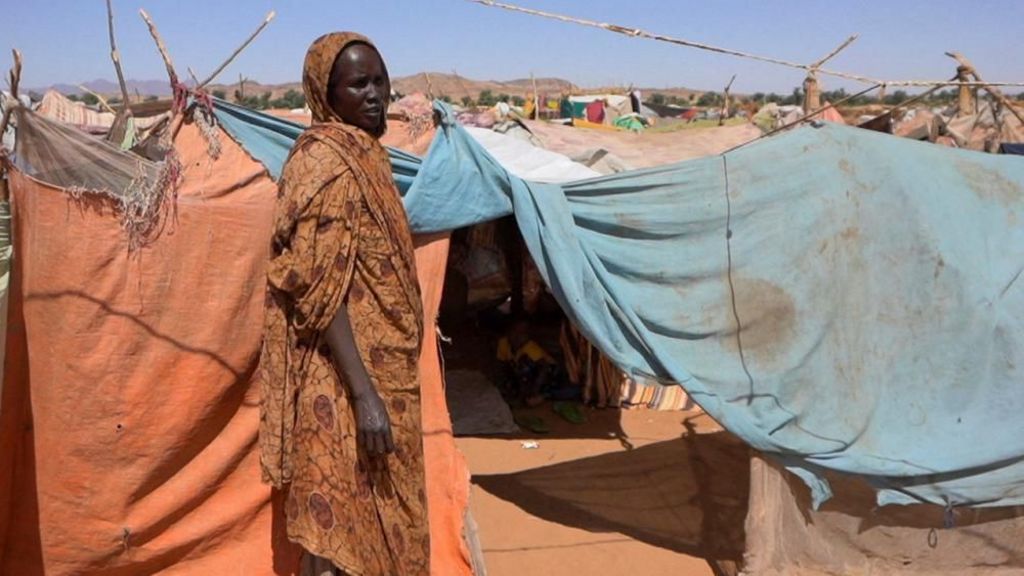
A United Nations fact-finding mission has concluded that atrocities committed during the paramilitary Rapid Support Forces’ (RSF) siege and capture of the Sudanese city of el-Fasher exhibit clear indicators of genocide. The investigation, representing the UN’s strongest condemnation to date, details systematic violence targeting the Zaghawa and Fur communities in what experts describe as a calculated campaign of destruction.
The RSF, after maintaining an 18-month blockade, seized control of el-Fasher in late October 2023 in one of the most brutal episodes of Sudan’s ongoing civil war. The UN report identifies three core genocidal acts: mass killings of protected ethnic groups, infliction of severe physical and psychological harm, and deliberate creation of conditions intended to physically destroy these communities.
Mission expert Mona Rishmawi stated: ‘The evidence portfolio—encompassing prolonged siege tactics, engineered starvation, humanitarian access denial, followed by coordinated killings, sexual violence, torture, and enforced disappearances—supports only one reasonable conclusion: the RSF acted with genocidal intent against specific ethnic populations.’
The documentation reveals that during three days of intensive violence, thousands of Zaghawa individuals were killed, raped, or disappeared as RSF forces made no distinction between civilians and combatants. The report notes that the siege systematically weakened the targeted population, leaving them defenseless against subsequent atrocities.
UK Foreign Secretary Yvette Cooper characterized the findings as ‘truly horrific’ and committed to presenting the report to the UN Security Council. She emphasized the necessity of international criminal investigations, perpetrator accountability, victim justice, and halting arms transfers perpetuating the conflict.
The investigation identifies RSF leader Lt Gen Mohamed Hamdan Dagalo (Hemedti) and spokesperson Lt Col Al-Fatih Al-Qurashi through their public celebrations of the military operation. While Hemedti acknowledged some ‘violations,’ he simultaneously justified the assault as necessary. The report also names commander ‘Abu Lulu,’ arrested after footage of his brutality circulated, though the RSF provided no information regarding judicial proceedings.
Crucially, the mission notes the RSF’s military campaign received reinforcement from foreign mercenaries equipped with advanced weaponry and communication systems. While not explicitly naming nations, investigators confirm engagement with several states regarding ‘credible information’ about their involvement, promising future reporting on this matter.
The report condemns the lack of cooperation from Sudanese authorities and both warring parties, describing such obstructions as ‘shameful and unacceptable.’ It warns that without prevention mechanisms and accountability measures, the risk of further genocidal acts remains serious and ongoing.
Investigators urge the international community to fully enforce and expand the Darfur arms embargo, prevent weapons transfers to violators, implement targeted sanctions, cooperate with the International Criminal Court, and consider establishing complementary judicial mechanisms.
Cooper emphasized the systematic sexual violence as ‘a war against women’s bodies’ and called for global action toward ceasefire achievement and humanitarian access. The Security Council session aims to advance elusive truce discussions despite both parties framing the conflict as existential and continuing to fight with sophisticated foreign-supplied weapons.
‘The world is still failing the people of Sudan,’ Cooper concluded. ‘The el-Fasher horrors should have been a turning point, but violence continues. Today, the UK will ensure the world does not look away.’