Gabon’s media regulatory body has enacted an indefinite suspension of all social media platforms, citing concerns over national stability and institutional security. The High Authority for Communication (HAC) announced the drastic measure through a nationally televised address on Tuesday evening, pointing to the proliferation of false information, cyberbullying incidents, and unauthorized personal data disclosures as primary justifications.
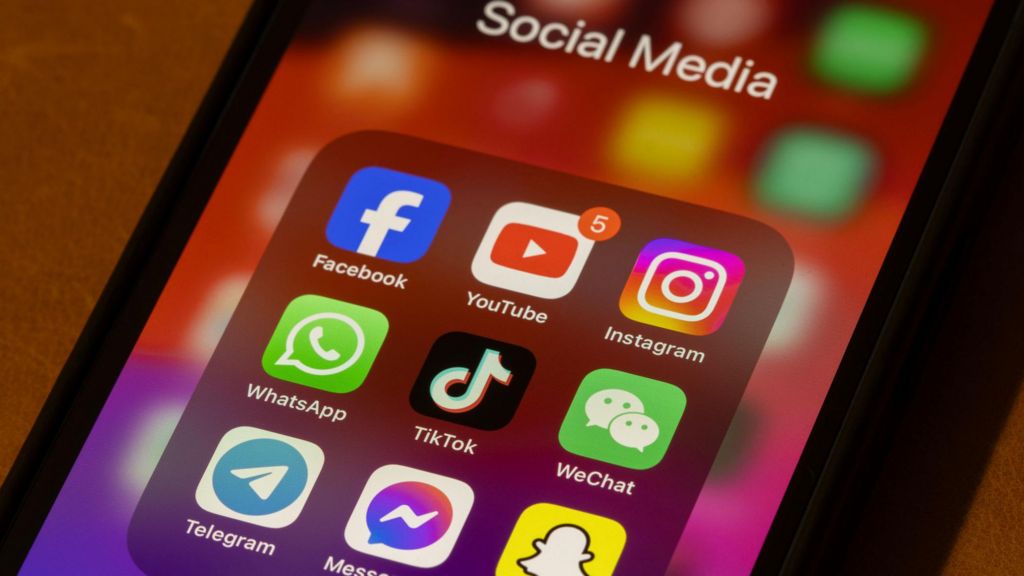
Jean-Claude Mendome, spokesperson for the communications authority, declined to identify specific platforms targeted by the ban, though WhatsApp, Facebook and TikTok maintain substantial user bases throughout the central African nation. The suspension comes during a delicate transitional period following General Brice Oligui Nguema’s military coup in 2023 and subsequent presidential election victory last year.
The decision has generated significant concern among Gabon’s approximately 2.5 million citizens, particularly affecting younger demographics and business communities that rely heavily on digital platforms. A Libreville restaurant owner, speaking anonymously, revealed that nearly 40% of his clientele originates from social media promotions, expressing grave concerns about the economic impact.
Contrasting perspectives emerged among citizens, with some expressing understanding of the government’s position. A local taxi driver remarked that ‘there’s no smoke without fire,’ suggesting authorities must have compelling reasons for implementing such restrictive measures.
This development occurs against a backdrop of escalating social unrest, with teachers and civil servants maintaining strike actions since December over compensation and working conditions. The Nguema administration, which secured power with over 90% of the electoral vote after ending the Bongo family’s fifty-year reign, had previously committed to governmental reforms and increased transparency.
Notably, the current administration permitted international and independent media to document ballot counting during recent elections—a departure from previous regimes that employed digital blackouts as information control mechanisms. Mendome emphasized that freedom of expression remains ‘a fundamental right enshrined in Gabon,’ despite the sweeping social media restrictions.
The media regulator specifically referenced ‘inappropriate, defamatory, hateful, and insulting content’ on digital platforms as undermining human dignity, social cohesion, and national security. Such content, authorities contend, risks generating social conflict and jeopardizing national unity alongside democratic progress.