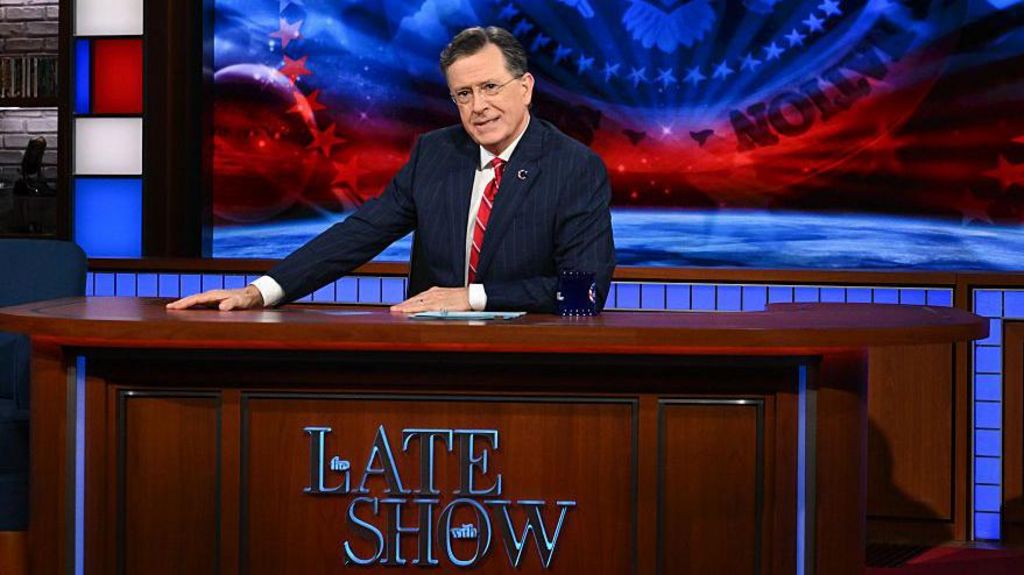
A significant First Amendment controversy has erupted between late-night television and federal regulators after Stephen Colbert publicly accused CBS network executives of censoring his interview with a Democratic politician. The host of The Late Show claimed during his Monday night broadcast that corporate lawyers explicitly prohibited him from airing his conversation with Texas Representative James Talarico, citing concerns about retaliation from the Federal Communications Commission under its newly expanded interpretation of equal-time regulations.
Colbert revealed to his audience that network attorneys not only blocked the interview from broadcast but attempted to prevent him from discussing the censorship itself. In defiance of these instructions, Colbert dedicated substantial airtime to explaining how the FCC’s recent regulatory guidance could create legal vulnerabilities for television networks that feature political candidates on entertainment programs.
CBS issued a firm denial of Colbert’s characterization, stating that the network never ‘prohibited’ the interview but rather provided ‘legal guidance’ about potential equal-time obligations. According to the network’s official statement, The Late Show was presented with options to fulfill regulatory requirements but ultimately chose to publish the interview exclusively on its YouTube channel, where FCC rules don’t apply, while promoting it during the broadcast.
The conflict centers on the FCC’s January guidance that expands the equal-time rule beyond traditional news programming to include late-night talk shows and political commentary programs. FCC Chairman Brendan Carr, who has taken an expansive view of the commission’s regulatory authority, announced on social media that the agency had reminded networks of their obligation to provide equal opportunities to all political candidates, regardless of format.
The dispute occurs against a backdrop of ongoing tension between media companies and the Trump administration. Paramount Global, CBS’s parent company, recently paid $16 million to settle a legal dispute with President Trump regarding a previous CBS interview, a settlement that business analysts suggest was influenced by Paramount’s desire to avoid regulatory interference with its planned merger with Skydance Media.
FCC Commissioner Anna Gomez, the sole Democrat on the commission, condemned CBS’s decision as ‘corporate capitulation’ to administrative pressure, emphasizing that broadcasters maintain constitutional free speech protections. Gomez asserted that the FCC possesses ‘no lawful authority to pressure broadcasters for political purposes’ and criticized what she characterized as the commission’s Republican leadership using regulations to penalize critics.
The controversy emerges as The Late Show prepares to conclude its 33-year broadcast run in May, with Colbert having hosted since 2015, highlighting ongoing tensions between entertainment media, regulatory bodies, and political interests in the current media landscape.