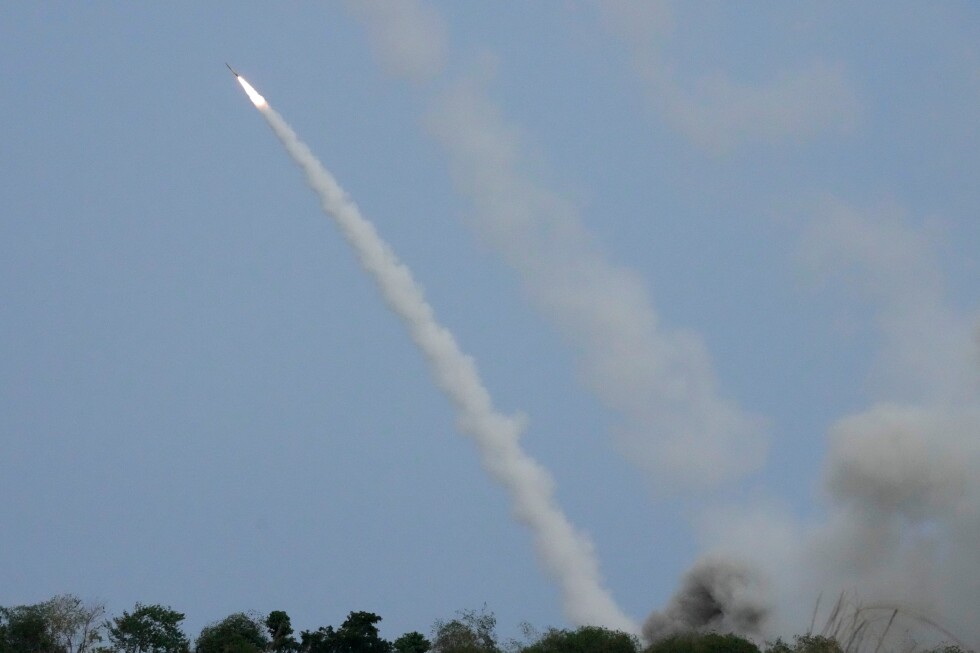
In a significant strategic move, the United States has announced plans to increase deployments of sophisticated missile systems and unmanned platforms to the Philippines. This decision emerges from annual security dialogues held in Manila, where both nations jointly condemned China’s escalating activities in the South China Sea, describing them as “illegal, coercive, aggressive, and deceptive.”
The planned enhancements form part of a broader defense collaboration outlined in a joint statement, which includes expanded joint military exercises and ongoing support for the modernization of the Philippine armed forces. While specific details of the new missile deployments were not fully disclosed, Philippine Ambassador to Washington Jose Manuel Romualdez confirmed that discussions involved potentially “upgraded” types of U.S. missile launchers that the Philippines might acquire in the future.
Beijing has repeatedly voiced strong opposition to the presence of U.S. military assets in the region, particularly the Typhon mid-range missile system deployed to Luzon in 2024 and an anti-ship missile launcher installed last year. China characterizes these deployments as direct threats to regional stability aimed at containing its rise, and has formally requested their removal—a demand Philippine President Ferdinand Marcos Jr. has firmly rejected.
Ambassador Romualdez emphasized that the U.S. weapons deployments serve purely defensive and deterrent purposes, stating that Chinese aggression only strengthens Manila’s resolve to maintain such capabilities. The Typhon system, capable of firing Standard Missile-6 and Tomahawk Land Attack Missiles with ranges exceeding 1,000 miles, places critical Chinese assets within striking distance from Philippine territory.
The security partnership between the longtime allies reinforces their commitment to preserving freedom of navigation, unimpeded lawful commerce, and other lawful uses of the sea for all nations in the strategically vital waterway, where territorial disputes involve multiple claimant states including Vietnam, Malaysia, Brunei, and Taiwan.