In a groundbreaking initiative for Southeast Asia, Japan is preparing to export its carbon emissions to Malaysia through carbon capture and storage (CCS) technology. This controversial partnership represents both a technological ambition and an ethical dilemma in the global climate action landscape.
Malaysia is actively positioning itself as Southeast Asia’s premier CCS hub, having passed legislation last year to promote the industry. The national oil company Petronas is constructing what will become the world’s largest offshore carbon storage facility at a cost of $1.1 billion, scheduled for operation by 2030. The Malaysian Ministry of Economy projects this fledgling sector could contribute up to $250 billion to the national economy within three decades.
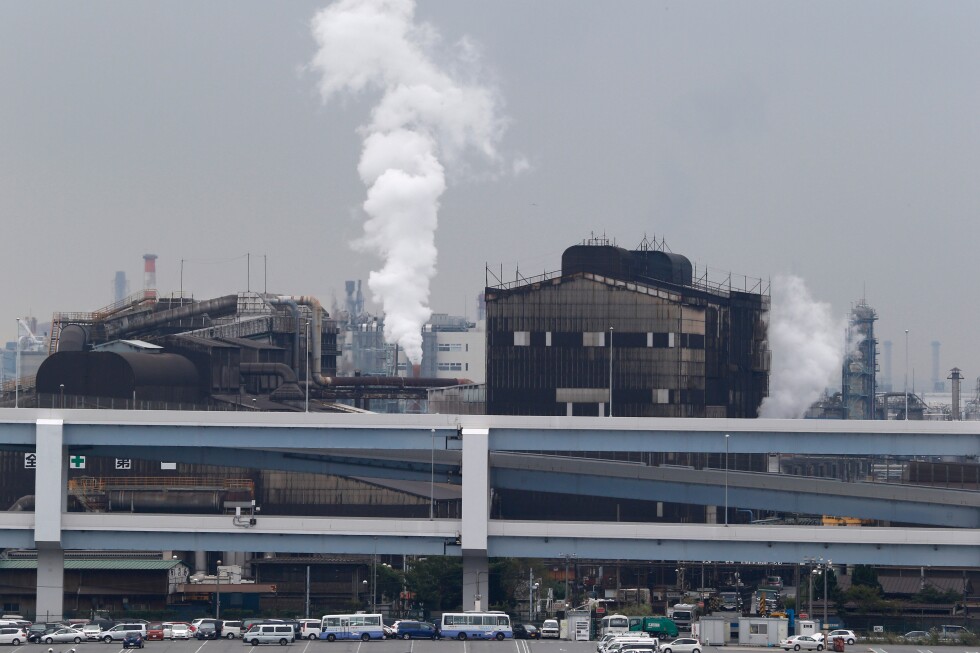
Japan, ranking among the world’s top five carbon emitters with fossil fuels dominating its energy mix, plans to transport emissions from its most polluting industries—including power generation, oil refining, cement production, shipping, and steel manufacturing—to Malaysian storage sites. The captured carbon dioxide will be liquefied and shipped in specially designed vessels to depleted gas fields off the coast of Sarawak on Borneo island, where it will be injected deep underground with ongoing monitoring for potential leaks.
While the International Energy Agency acknowledges CCS as a potential tool for emissions reduction, their projections indicate it would contribute less than 5% of necessary emission cuts by 2050 under net-zero scenarios. Critics including environmental organizations and energy analysts argue the technology serves as an expensive distraction from proven decarbonization methods like renewable energy transition. They characterize the export arrangement as ‘carbon colonialism’ that allows Japan to continue polluting while making Malaysia a ‘dumping ground’ for industrial emissions.
The project reflects a growing global interest in CCS technology, with similar initiatives underway including the European Union’s first offshore carbon storage facility scheduled to begin operations by mid-2026 and Norway’s cross-border carbon shipment program launched last year. Despite this momentum, financial analysts note an ‘almost fantastical theoretical uptick’ in CCS interest that may not deliver practical results commensurate with investment.