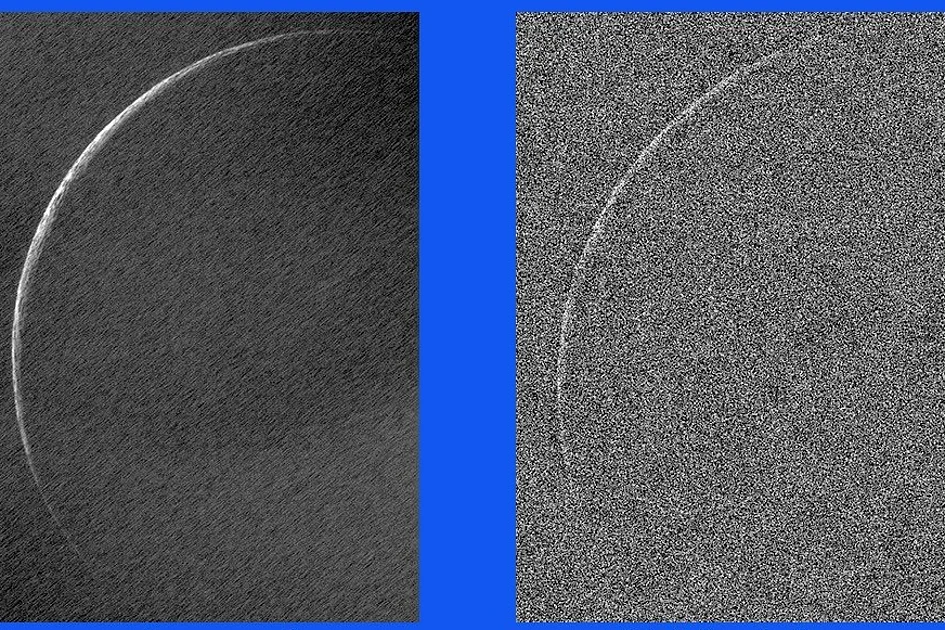
Astronomers in the United Arab Emirates have successfully documented the concluding lunar phase of Shaban, marking a significant celestial event preceding the holy month of Ramadan. The Khatm Astronomical Observatory, operating under the International Astronomy Center, captured the slender crescent moon from Abu Dhabi at precisely 8:15 AM UAE time on Monday, February 16.
This astronomical observation holds profound religious significance as Islamic months transition based on lunar sightings, typically spanning 29 or 30 days. The UAE Fatwa Council has confirmed that the official crescent sighting committee will assemble on Tuesday, February 17, to determine the commencement of Ramadan 2026.
According to astronomical projections, the likelihood of crescent visibility on February 17 remains exceptionally low. Should the committee confirm sighting on Tuesday, Ramadan would commence on Wednesday, February 18. Otherwise, the holy month will officially begin on Thursday, February 19. The final determination will be communicated through authorized channels following the committee’s deliberation.
The photographic documentation of the Shaban crescent provides scientific validation of the lunar cycle’s progression while serving as a cultural touchstone for millions of Muslims awaiting Ramadan’s arrival. This process blends ancient tradition with modern astronomical technology, as authorities utilize both naked-eye observations and specialized equipment to make their determination.
Neighboring nations including Saudi Arabia and Qatar have similarly called upon their citizens to participate in crescent sighting efforts on February 17, highlighting the regional significance of this astronomical and religious event. The convergence of scientific observation and religious tradition continues to define the Islamic calendar’s implementation across the Muslim world.