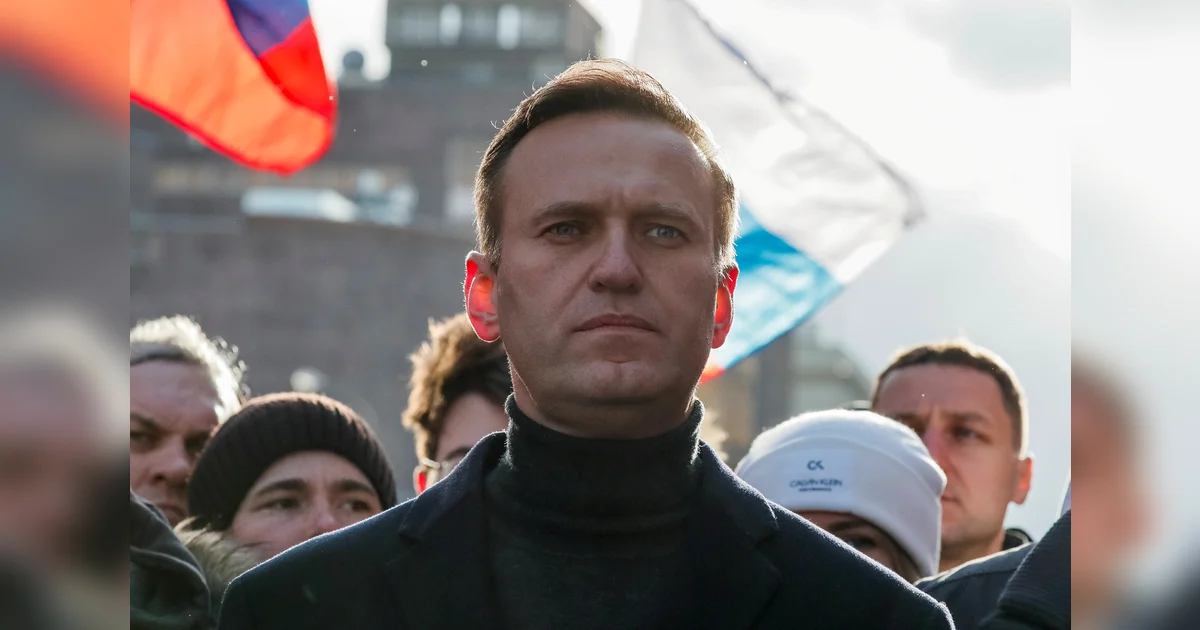
In a coordinated diplomatic move, five European nations have formally accused the Russian government of orchestrating the poisoning of imprisoned opposition leader Alexei Navalny using a rare toxic substance. The allegations emerged on Saturday during the Munich Security Conference, with Britain, France, Germany, the Netherlands, and Sweden issuing a joint statement condemning Moscow’s actions.
The UK Foreign Office declared that Russian authorities employed a ‘lethal toxin’ against Navalny in 2024, motivated by their apprehension regarding his political opposition. This accusation surfaces precisely as the world marks the second anniversary of the death of the prominent critic of President Vladimir Putin.
In a significant escalation of diplomatic pressure, Britain has additionally filed an official report with the Organization for the Prohibition of Chemical Weapons (OPCW), the global chemical weapons watchdog. This action represents a direct challenge to Russia’s compliance with international chemical weapons conventions.
The multinational condemnation highlights growing Western concerns about the treatment of political dissidents within Russian penal institutions and represents one of the most explicit official accusations regarding the circumstances surrounding Navalny’s deterioration in custody. The European coalition’s statement suggests a calculated state-sponsored operation rather than an isolated incident within the prison system.