In a significant escalation of diplomatic tensions within Southeast Asia, Myanmar’s military government has formally ordered the expulsion of East Timor’s senior diplomat from the country. The directive, announced through state media on Monday, comes as a direct response to East Timor’s judicial authorities accepting a criminal complaint filed against Myanmar’s armed forces leadership.
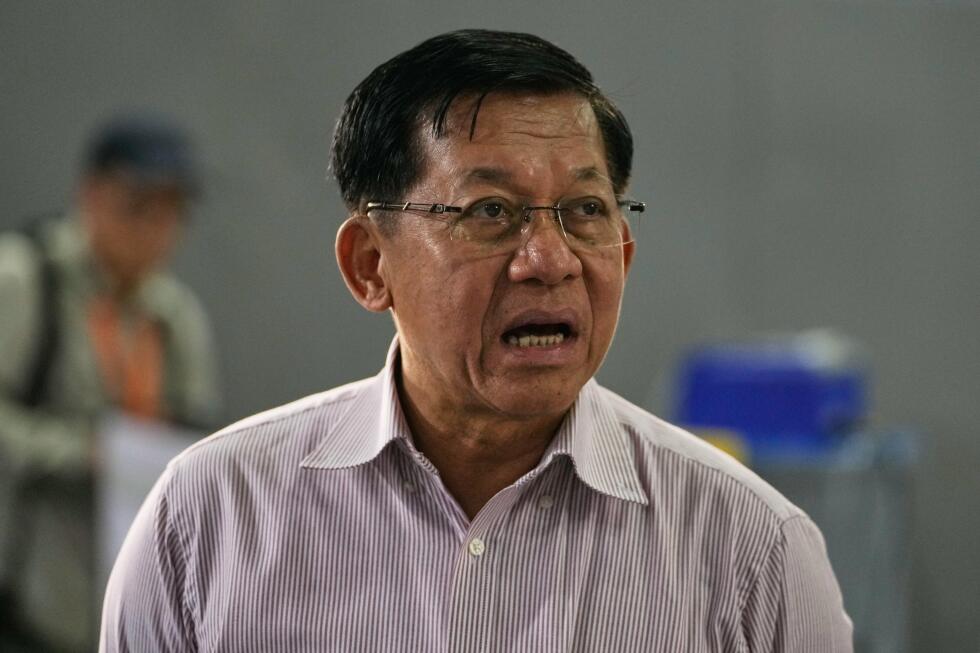
The Myanmar Foreign Ministry’s statement, published in the state-run Myanma Alinn newspaper, revealed that Charge d’Affaires Elisio do Rosario de Sousa has been instructed to depart Myanmar by February 20th. This drastic measure follows East Timor’s judicial appointment of a senior prosecutor to examine allegations of war crimes and crimes against humanity against senior members of Myanmar’s military establishment, including Commander-in-Chief Senior General Min Aung Hlaing.
The complaint, initiated by the Chin Human Rights Organization (CHRO), documents extensive human rights violations allegedly committed particularly in Myanmar’s northwestern Chin state. Evidence presented includes accounts of gang rape, the massacre of ten individuals including a journalist, deaths of Christian religious figures, and airstrikes targeting hospitals and religious buildings.
This confrontation marks an unprecedented development within the Association of Southeast Asian Nations (ASEAN), representing the first instance where one member state has pursued legal action against another through domestic courts. East Timor, which gained independence from Indonesia in 2002 and became ASEAN’s newest member in October 2023, maintains legal provisions allowing its judicial system to investigate serious international crimes regardless of where they were committed or the nationalities involved.
The current diplomatic rupture continues a pattern of deteriorating relations between the two nations. In August 2023, Myanmar initially expelled East Timor’s charge d’affaires following President José Ramos-Horta’s meetings with Myanmar’s shadow National Unity Government. The Nobel Prize laureate has consistently criticized Myanmar’s military rulers and expressed support for opposition groups since the army seized power from Aung San Suu Kyi’s elected government in February 2021.
International human rights organizations and UN investigators have widely accused Myanmar’s military of systematic rights violations following the 2021 coup, which triggered massive resistance that has evolved into widespread armed conflict. Many nations have subsequently downgraded diplomatic relations with Myanmar, maintaining only junior-level diplomatic representation.