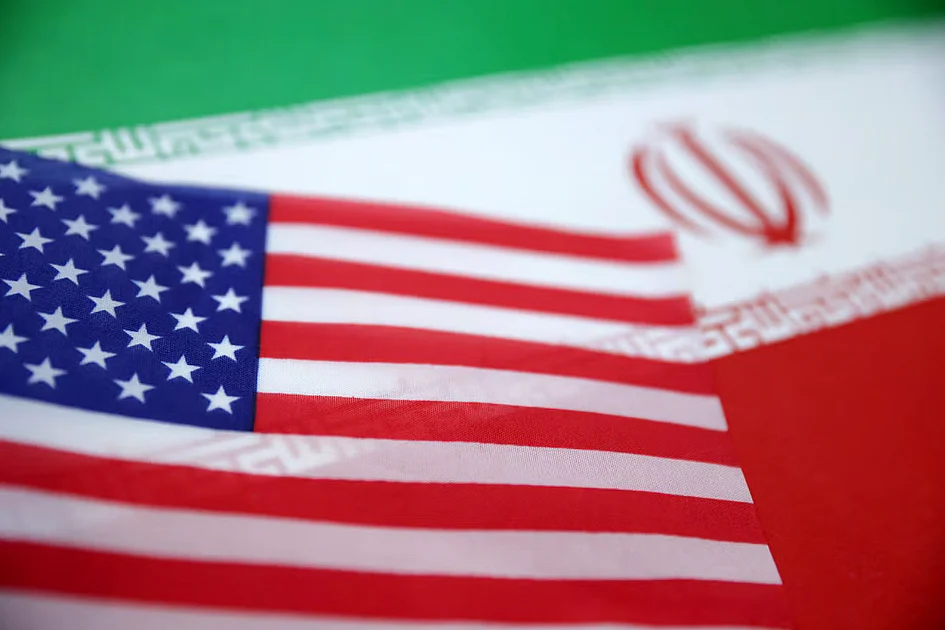
The United States military is actively preparing for potentially prolonged military operations against Iran that could span several weeks, should President Donald Trump authorize such action. According to two anonymous officials familiar with the sensitive planning, this preparation signals a potential escalation beyond previous confrontations between the two nations.
The Pentagon has significantly bolstered its military presence in the Middle East, deploying an additional aircraft carrier alongside thousands of troops, fighter aircraft, and guided-missile destroyers. This substantial force accumulation represents both offensive strike capabilities and defensive measures against potential retaliation.
While diplomatic channels remain active with US envoys Steve Witkoff and Jared Kushner scheduled to negotiate with Iranian representatives in Geneva on Tuesday—with Omani mediators facilitating discussions—Secretary of State Marco Rubio acknowledged the challenges in reaching a diplomatic resolution. “Trump’s preference is to reach a deal with Tehran, but that’s very hard to do,” Rubio stated on Saturday.
President Trump has openly contemplated regime change in Iran, commenting after a military event at Fort Bragg that replacing the Iranian government “seems like that would be the best thing that could happen.” When pressed about potential successors, Trump cryptically noted “there are people” without providing specifics.
The current military planning differs significantly from last year’s “Midnight Hammer” operation, which involved a single strike on Iranian nuclear facilities using stealth bombers. Officials indicate that any sustained campaign would likely target a broader range of Iranian state and security infrastructure beyond nuclear sites.
Military experts warn that operations against Iran carry substantially higher risks due to the country’s formidable missile arsenal and capacity for retaliation. Such actions could potentially trigger a broader regional conflict, with Iranian Revolutionary Guard forces already warning they would target US military bases in response to any strikes on Iranian territory.
The complex situation is further complicated by regional dynamics, including Israeli Prime Minister Benjamin Netanyahu’s recent meeting with Trump, where he emphasized that any agreement with Iran “must include the elements that are vital to Israel.”
Meanwhile, exiled Iranian opposition figure Reza Pahlavi has advocated for US military intervention, suggesting it could accelerate the collapse of Tehran’s government. “We are hoping that this attack will expedite the process and the people can be finally back in the streets and take it all the way to the ultimate regime’s downfall,” said the son of Iran’s deposed shah.