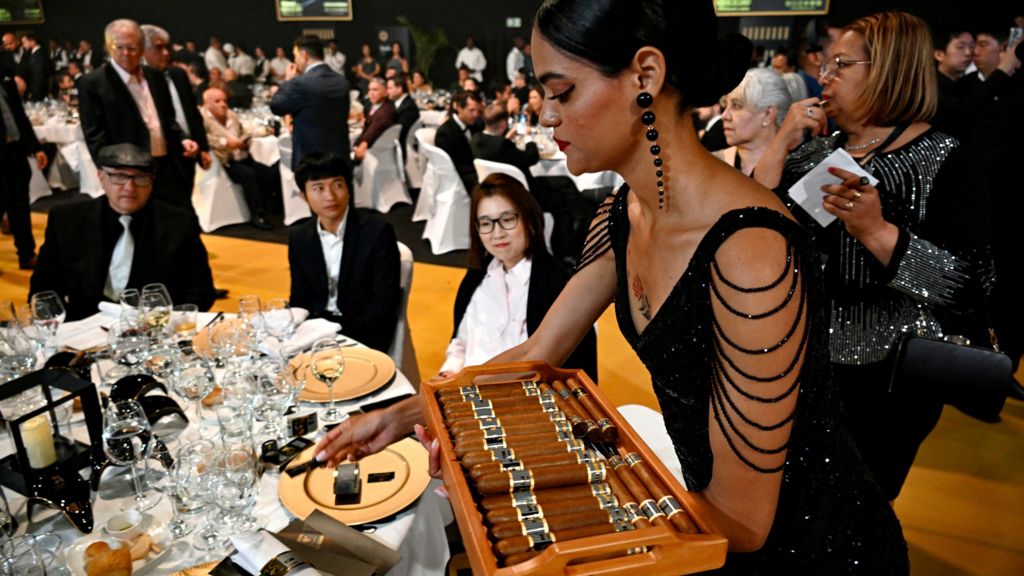
Havana’s renowned Festival del Habano has been indefinitely postponed due to severe fuel shortages exacerbated by the United States’ economic embargo against Cuba. The organizing committee announced the decision on Saturday, citing the “complex economic situation” created by Washington’s longstanding restrictions as the primary reason for delaying the five-day event originally scheduled for late February.
The fuel crisis, intensified by recent US seizures of Venezuelan oil shipments destined for Cuba, has created widespread power outages lasting up to 18 hours daily across the Caribbean nation. This energy shortage has critically impacted essential services including hospital emergency wards and medical treatments for dialysis patients.
Compounding the situation, Cuba faces an aviation fuel deficit that has prompted several airlines to suspend services to the island. Multiple countries, including the United Kingdom, have issued travel advisories recommending against non-essential visits to Cuba.
The Habano Festival typically attracts over 1,300 attendees from approximately 70 countries who come to sample premium Cuban cigars, visit tobacco plantations, and tour manufacturing facilities. Cuban cigars, while considered among the world’s finest, remain illegal in the United States due to trade embargoes dating back to 1960.
Organizers emphasized their commitment to maintaining the event’s international prestige, stating they are working to establish new dates when conditions improve. “The priority of the Habano Festival is to offer its participants a comprehensive experience at the height of the relevance and prestige that this event represents internationally,” the committee explained.
The current situation reflects deteriorating US-Cuba relations following improvements during the Obama administration. President Donald Trump has recently urged Cuban leaders to “make a deal” while facing unspecified consequences. United Nations human rights experts have characterized Washington’s restrictions on Cuba’s oil imports as an “extreme form of unilateral economic coercion.”
The postponement highlights how geopolitical tensions continue to affect cultural and economic activities in Cuba six decades after the implementation of the US embargo following Fidel Castro’s revolution.