In a significant diplomatic shift, the United States has quietly resumed intelligence cooperation with Bolivia on counternarcotics operations, ending a nearly 20-year hiatus that began when leftist President Evo Morales expelled American anti-drug agents from the cocaine-producing nation.
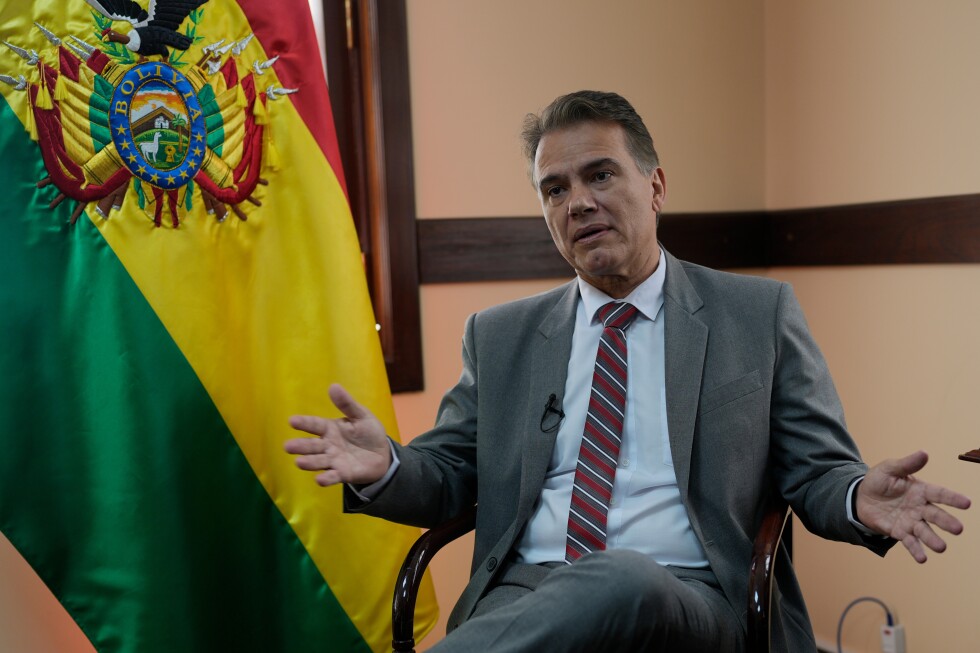
Bolivian Vice Minister of Social Defense and Controlled Substances Ernesto Justiniano confirmed to The Associated Press that while formal agreements are still being finalized, Washington has already begun sharing intelligence on transnational criminal networks with Bolivian law enforcement. The cooperation includes personnel vetting procedures and specialized training programs for narcotics officers.
“We are already receiving support in various ways, in the training and integrity analysis of personnel,” Justiniano stated. “There is a lot of intelligence, resources, they can provide us, and we need it.”
This intelligence collaboration marks a dramatic reversal in bilateral relations under Bolivia’s conservative President Rodrigo Paz, who took office last November. The centrist leader has moved to restore full diplomatic ties with Washington after nearly two decades during which Morales’ Movement Toward Socialism party cultivated alliances with China, Russia, Cuba and Iran while distancing itself from Western nations.
The renewed partnership carries historical sensitivities dating to the 1990s, when DEA-backed operations resulted in deadly clashes with coca farmers in the Chapare region. Justiniano acknowledged these tensions, particularly in the coca-growing jungles near Cochabamba where resentment lingers over Washington’s previously militarized approach.
“In Bolivia, when it comes to language, you have to be very careful,” Justiniano noted, explicitly ruling out the establishment of U.S. military bases. However, he confirmed that Bolivia “would welcome” DEA participation in joint interdiction operations.
The agency’s return represents a substantial foreign policy achievement for the U.S. in Latin America, according to regional experts. Retired U.S. diplomat Daniel Foote, who served in Bolivia during the cocaine heyday, emphasized the strategic importance: “We have little idea what’s been going on these past 20 years, so having the DEA back there can open a lot of other doors for the U.S.”
Meanwhile, former President Morales remains in hiding in the Chapare region, evading an arrest warrant linked to allegations he denies. His disappearance from public view coincides with increased U.S. pressure on allied leftist leaders in the region, including the recent seizure of former Venezuelan president Nicolás Maduro.
As officials finalize the details of the DEA’s formal return, questions remain about how the agency’s approach will differ from its controversial 1990s operations. Former U.S. Ambassador Robert Gelbard expressed hope that the renewed cooperation would avoid “the sort of aggressive approach we followed in the 1990s,” even as coca growers’ leaders vow to resist any perceived foreign intervention.