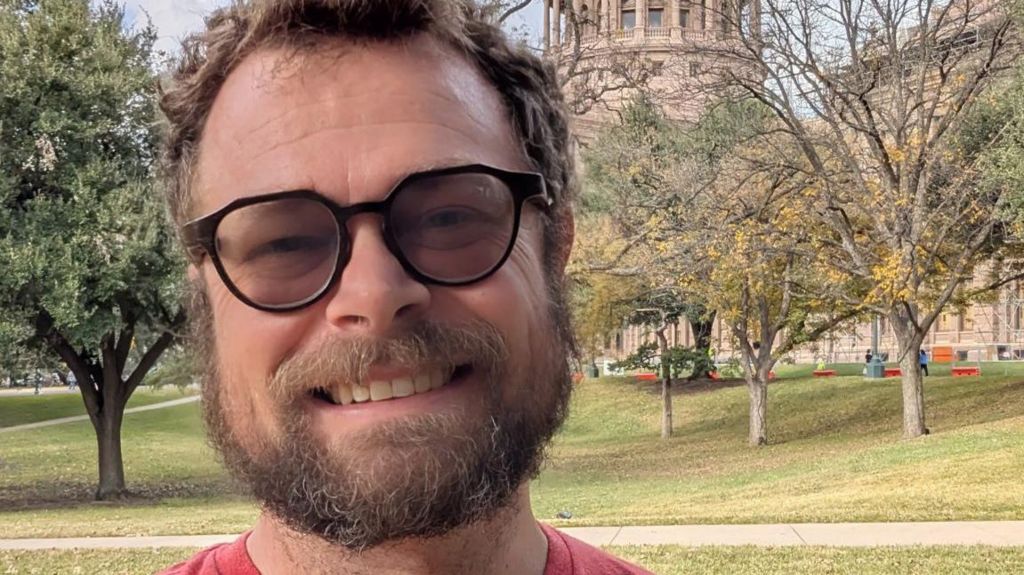
The American labor market is presenting a paradoxical scenario that defies conventional economic wisdom. While macroeconomic indicators show robust growth with the economy expanding at a 4.4% annual pace, job seekers like Jacob Trigg face unprecedented challenges. The 42-year-old Texan project manager, previously accustomed to quick employment transitions, has submitted over 2,000 applications without securing permanent professional work, instead relying on package delivery and landscaping jobs to survive.
This personal struggle reflects a broader national phenomenon where job openings and hiring rates have plummeted to multi-year lows. Recent data reveals the US added merely 15,000 jobs monthly last year—a strikingly low figure by historical standards. Yet simultaneously, the unemployment rate remains stable at 4.3%, layoffs stay limited outside notable exceptions like Amazon and UPS, and economic expansion continues.
Economists describe this combination as highly unusual. Jed Kolko of the Peterson Institute for International Economics notes: ‘It’s actually very hard to point to another moment in the last 25 years where you have the combination we see today.’
The situation has sparked intense debate about potential structural shifts in the economy. Goldman Sachs’ widely cited October report suggested the US might be entering a period of ‘jobless growth,’ driven particularly by artificial intelligence adoption enabling companies to achieve more with reduced human resources. This concern resonated through World Economic Forum discussions in Davos, contributing to widespread economic anxiety.
Professor Constantin Burgi of University College Dublin observes that such decoupling of job gains from overall growth typically occurs during fundamental economic transformations. While he views the situation as potentially temporary, he acknowledges it could persist for years if jobs are permanently lost to AI or outsourcing.
The human impact is profound. James Richardson, a 33-year-old information security analyst from Pittsburgh, has applied to over 1,200 positions since October, sometimes receiving rejections within 15 minutes. ‘It feels like there is no-one on the other side even bothering to look at your experiences,’ he lamented, noting he would be homeless without parental support.
Multiple factors beyond technology may contribute to the hiring slowdown. Many companies, especially in tech, still carry surplus workers hired during pandemic-era booms. The Trump administration’s immigration crackdown simultaneously reduces both available workers and demand for them. Economic uncertainty from government spending cuts and tariff programs may also suppress hiring appetite.
Despite stronger-than-expected January job gains offering some hope, economists like Indeed’s research director Laura Ullrich caution against declaring a ‘new normal.’ She maintains current conditions are unsustainable long-term, as low hiring, low firing, and low quit rates during economic growth cannot persist indefinitely.
For job seekers like Amy Beson, laid off from the University of Arizona amid government funding cuts, the situation feels desperately permanent. Even expanding her search to healthcare—typically a resilient sector—has yielded nothing, leading her to worry this challenging environment represents a permanent shift rather than a temporary anomaly.