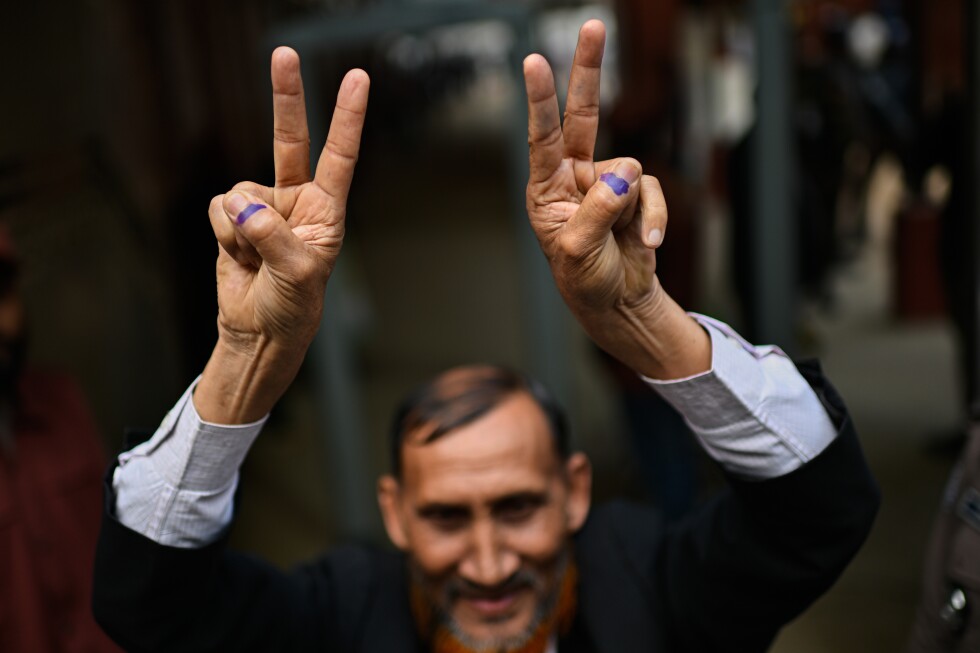
DHAKA, Bangladesh — The nation of Bangladesh is undergoing a transformative parliamentary election that could redefine its political trajectory following years of instability. This landmark vote marks the first electoral test since the 2024 uprising that unseated former Prime Minister Sheikh Hasina through mass protests.
With approximately 170 million citizens, Bangladesh has mobilized its massive electorate of 127 million eligible voters—including 5 million first-time participants—across 42,779 polling stations. Official statistics reveal a diverse electorate: 64.8 million male voters, 62.9 million female voters, and 1,234 transgender voters. Young voters, who played instrumental roles in the 2024 demonstrations, are anticipated to significantly influence the outcome.
The interim administration under Nobel Peace Prize laureate Muhammad Yunus has deployed 800,000 electoral officials alongside 900,000 security personnel to ensure electoral integrity. International oversight includes 500 foreign observers and journalists from organizations including the European Union and Commonwealth.
The electoral contest features 2,028 candidates competing for 299 of the 350 parliamentary seats (polling in one constituency was postponed following a candidate’s death). The political landscape has shifted dramatically with the banning of Hasina’s Awami League, creating a predominantly two-way contest between the Bangladesh Nationalist Party (BNP) and an 11-party alliance led by Jamaat-e-Islami, the country’s largest Islamist party.
BNP’s Tarique Rahman, son of former Prime Minister Khaleda Zia, emerges as a potential governing leader. The alliance includes the newly formed National Citizen Party (NCP), established by student leaders from the 2024 uprising.
This election represents the 13th since Bangladesh’s 1971 independence and follows three controversial elections under Hasina (2014, 2018, 2024) that faced widespread allegations of rigging and opposition boycotts. Under Bangladesh’s first-past-the-post system, any party or coalition must secure 151 seats to form a government for the standard five-year term.