In a groundbreaking legal proceeding under Hong Kong’s domestic security legislation, a 69-year-old man was convicted Wednesday for attempting to access financial assets belonging to his daughter, a U.S.-based activist designated as an absconder by local authorities.
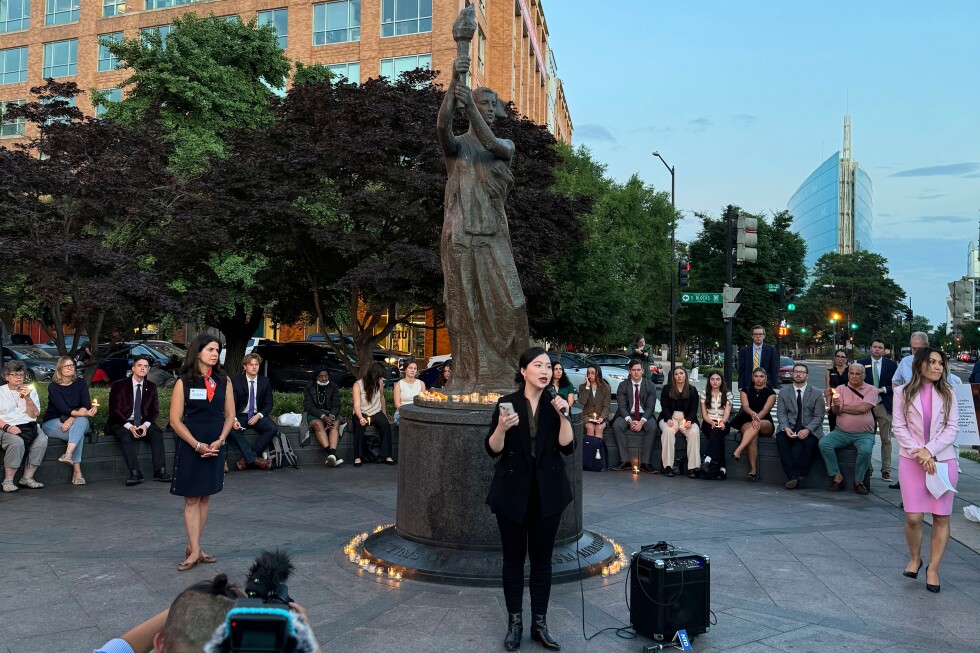
Kwok Yin-sang became the first individual prosecuted under Article 23 legislation for allegedly trying to withdraw funds from an insurance policy under his daughter’s name. His daughter, Anna Kwok, serves as executive director of the Washington-based Hong Kong Democracy Council and has been subject to an HK$1 million (approximately $127,900) bounty offered by Hong Kong authorities in 2023 for information leading to her arrest.
The prosecution argued that Kwok knowingly attempted to handle assets of a designated absconder, despite his not guilty plea. Acting Principal Magistrate Cheng Lim-chi determined that Kwok must have been aware of his daughter’s status when he sought to cancel the insurance policy originally purchased during her childhood.
Defense attorney Steven Kwan contended there was no evidence indicating the funds were intended for transfer to Anna Kwok and requested a minimal 14-day imprisonment sentence. While the charge carries a maximum seven-year penalty, the case was heard in magistrates’ courts where sentences are capped at two years. Sentencing is scheduled for February 26.
International human rights organization Amnesty International condemned the conviction as politically motivated. Spokesperson Joey Siu warned the verdict “sets a dangerous precedent, designed to terrify and silence others who continue to speak out about Hong Kong issues from overseas.”
The case emerges within broader geopolitical tensions surrounding Hong Kong’s national security laws. United States officials previously sanctioned six Chinese and Hong Kong officials in 2025, alleging involvement in “transnational repression” through extraterritorial application of security laws. China responded with counter-sanctions against U.S. officials and NGO leaders.
Both Chinese and Hong Kong governments maintain that the security laws are essential for maintaining stability in the former British colony, which returned to Chinese sovereignty in 1997. The legislation followed massive anti-government protests in 2019 and has resulted in numerous activist arrests, silencing, or overseas exile.