In a significant bilateral trade development, the United States and Bangladesh have formalized a comprehensive economic agreement that grants selective tariff exemptions for Bangladeshi garments manufactured with American materials. The pact, announced Monday, represents a strategic recalibration of trade relations between the two nations.
The agreement stipulates that Washington will reduce its tariff imposition on Bangladeshi exports from 20% to 19%, while simultaneously identifying specific clothing and textile categories that will enjoy duty-free access to American markets. These preferential treatments specifically apply to garments produced using U.S.-sourced cotton and synthetic textiles, with import volumes contingent upon Bangladesh’s procurement of American textile exports.
This arrangement follows prolonged negotiations initiated after the Trump administration’s sweeping tariff impositions on global trading partners in April 2025, which originally subjected Bangladesh to 37% duties. The revised terms now position Bangladesh competitively against regional neighbor India, which faces 18% U.S. tariffs.
As reciprocal measures, Bangladesh has committed to substantial market liberalization for American products. The South Asian nation will provide enhanced access to U.S. agricultural commodities including soy products and meat, alongside industrial goods such as chemicals, medical devices, and automotive components. Additionally, Dhaka will recognize American regulatory standards for food, pharmaceuticals, and vehicle safety, streamlining import procedures for U.S. exporters.
The agreement incorporates provisions reinforcing labor rights protections and environmental standards, with Bangladesh pledging to uphold international labor norms and intensify ecological conservation initiatives. Furthermore, Bangladesh reaffirmed its commitment to previously arranged purchases of American agricultural produce, aircraft, and energy products worth billions of dollars.
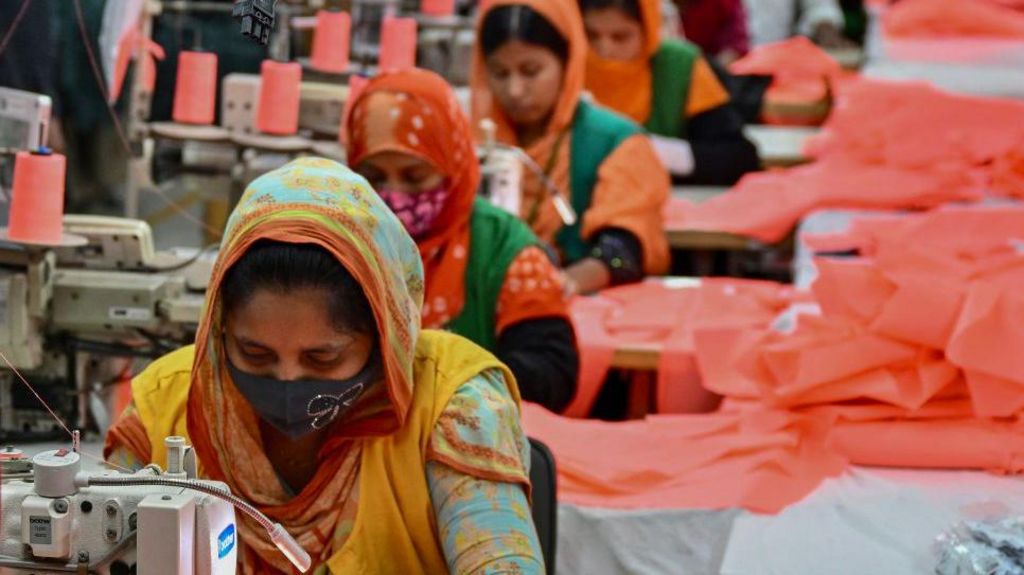
This bilateral understanding holds particular significance for Bangladesh, whose apparel industry constitutes over 80% of export earnings and employs approximately four million workers. As the world’s second-largest clothing exporter after China, these revised trade terms potentially strengthen Bangladesh’s competitive position in global textile markets while deepening economic interdependence with the United States.