WELLINGTON, New Zealand – The perpetrator of New Zealand’s deadliest mass shooting, Brenton Tarrant, is attempting to withdraw his guilty pleas for the 2019 Christchurch mosque attacks that claimed 51 Muslim worshippers’ lives. The Australian national, currently serving life imprisonment without parole, claims his admissions were made under duress caused by extreme prison conditions.
During a five-day hearing before New Zealand’s Court of Appeal, Tarrant asserted that prolonged solitary confinement, constant surveillance, restricted reading materials, and minimal external contact created ‘nervous exhaustion’ that compromised his mental capacity when he pleaded guilty in 2020. The 35-year-old white supremacist now contends these conditions rendered him irrational and mentally unfit to make valid legal decisions.
Contradicting these claims, Tarrant’s former legal representatives testified that while they had initially raised concerns about his prison conditions, restrictions were subsequently eased. Both attorneys maintained they observed no impairment in Tarrant’s decision-making abilities during the plea process. Notably, they revealed their client had specifically demanded to be convicted on terrorism charges and wanted to be officially designated as a terrorist.
Prosecutors highlighted that Tarrant had numerous opportunities to raise mental health concerns or request trial postponements earlier. No supporting testimony has emerged validating his claims of being unfit to plead guilty due to prison conditions.
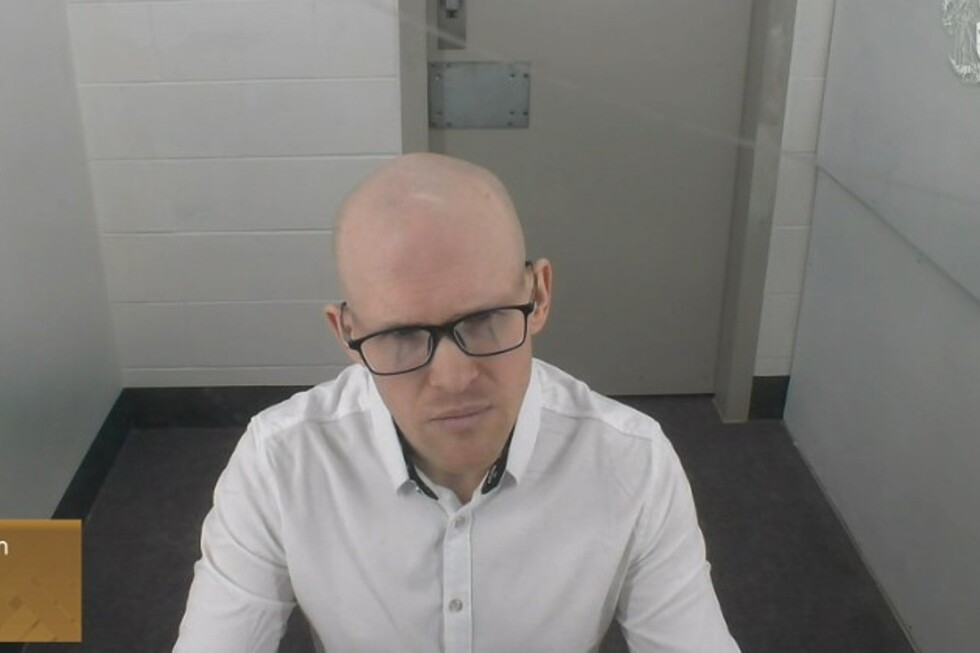
The appeal hearing marked Tarrant’s first court appearance in years, where he appeared via video link pale, thin, and with a shaved head. Survivors and victims’ families watching from Christchurch expressed frustration at the ongoing legal proceedings, with one bereaved father describing the process as ‘a game’ to the unremorseful attacker.
The Court of Appeal’s decision, expected at a later date, will determine whether Tarrant’s guilty pleas stand or if the case returns to trial. If rejected, subsequent hearings will address his sentence appeal.