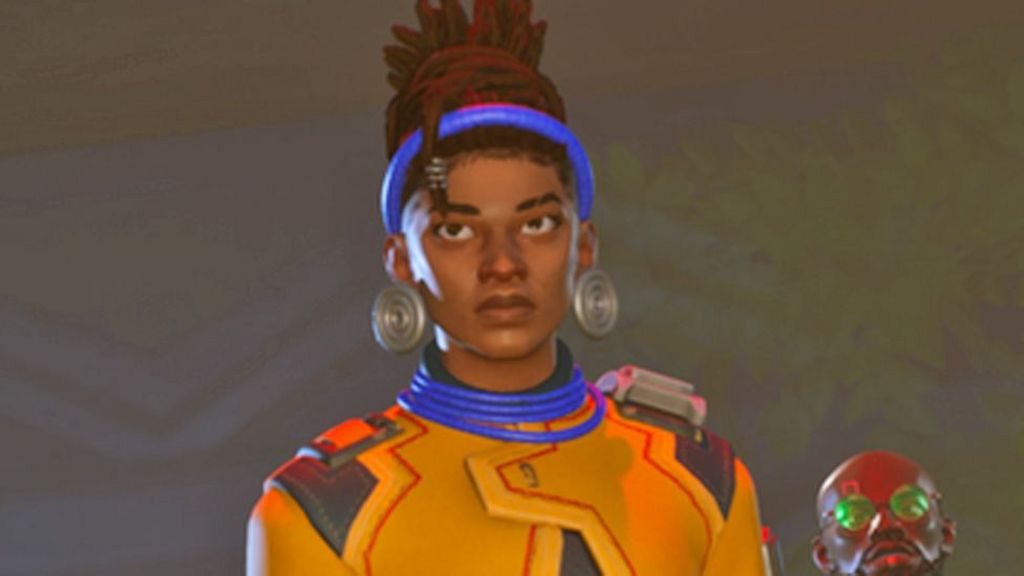
In a groundbreaking fusion of gaming and cultural reclamation, South African studio Nyamakop has launched “Relooted” – an African-futurist heist game that transforms digital entertainment into a platform for historical justice. Set in 2099 amid the collapse of the Transatlantic Returns Treaty, the narrative follows parkour expert Nomali and her multidisciplinary team as they execute non-violent operations to recover 70 sacred African artifacts from Western institutions.
The game’s innovative premise responds to real-world restitution failures, imagining a future where museums exploit legal loopholes to retain looted items. Through meticulously designed missions, players utilize parkour movement, puzzle-solving, and teamwork to reclaim culturally significant objects based on actual stolen artifacts – including the Kabwe 1 skull (held by London’s Natural History Museum since 1921), the Asante Gold Mask (taken during Britain’s 1874 Kumasi invasion), and the sacred Ngwi Ndem sculpture from Cameroon.
Nyamakop’s pan-African development team represents a milestone in continental game production. Following their 2018 debut Semblance – the first African-developed game on Nintendo consoles – the studio has collaborated with designers and voice actors across Nigeria, Angola, Malawi, Ethiopia, Tanzania, and Kenya. The project intentionally avoids violence, instead emphasizing intellectual challenges and physical agility that mirror traditional African problem-solving approaches.
CEO Ben Myres conceived the project after his mother’s visceral reaction to seeing looted monuments in the British Museum. While primarily entertainment, Relooted incorporates educational elements through optional deep dives into artifact histories within a virtual hideout modeled after Johannesburg’s Northcliff Water Tower. The game concludes with successful retrievals being delivered to Senegal’s Museum of Black Civilizations, symbolizing the rightful repatriation activists have demanded for decades.
Despite being designed for PC and consoles (limiting accessibility in smartphone-dominated African markets), the developers target the global African diaspora while raising awareness about ongoing restitution struggles. Project manager Sithe Ncube emphasizes that the game’s power lies in its interactive nature: “You must actively engage… and in order to achieve certain goals, you always have to do and learn certain things.”