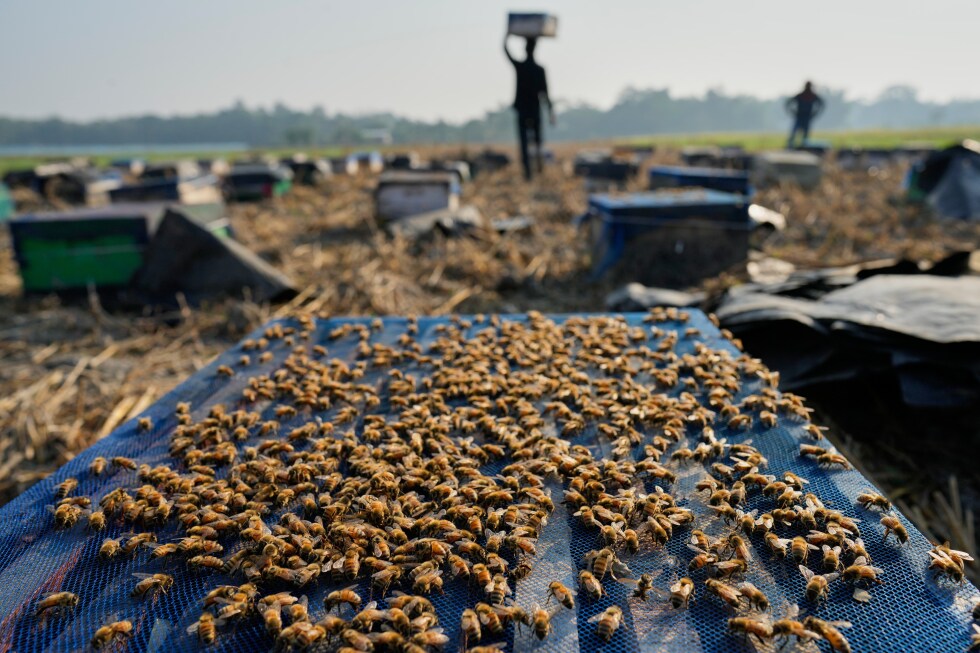
In the vibrant mustard fields of Assam, migratory beekeepers from distant regions begin their days before sunrise, embarking on a demanding seasonal occupation that sustains their families. These apiarists transport their wooden bee boxes across India, following floral blooms to support agricultural pollination while harvesting golden honeycombs destined for international markets.
The practice represents a growing economic opportunity in northeastern India, where both local and migratory beekeepers are responding to increasing global honey demand. However, their livelihood faces mounting pressures from climate disruptions—intensifying monsoons, extreme heatwaves, and unpredictable rainfall patterns that directly impact bee behavior and nectar availability.
Scientific research from Assam Agricultural University reveals concerning trends: the region now experiences over 20 additional heat-wave days annually compared to a decade ago, with average temperatures rising approximately 2°C. These changes have significantly reduced honey production, forcing bees to remain sheltered during excessive heat or rainfall.
The ecological challenges extend beyond weather patterns. Native bee species face habitat destruction from infrastructure development, while the introduction of Western honeybees by migratory keepers creates potential competition with indigenous species. Despite these pressures, conservation programs promote sustainable beekeeping practices, particularly among small-scale farmers below the poverty line.
Organizations like Under the Mango Tree Society provide training in climate-resilient beekeeping techniques, helping farmers diversify income through honey production while enhancing crop pollination. Government subsidies for beekeeping equipment further support the industry’s adaptation to changing environmental conditions.
Experts cautiously optimistic about the future of beekeeping in Assam acknowledge the challenges but emphasize the sector’s resilience. As one researcher noted, while production may fluctuate, the symbiotic relationship between beekeepers, their colonies, and agricultural systems will likely endure despite climate uncertainties.