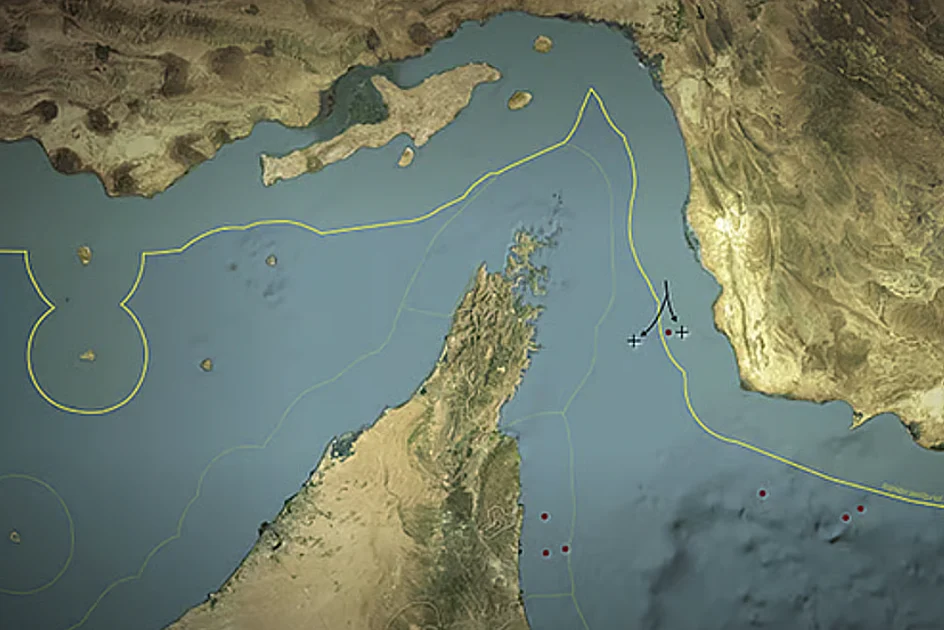
The United States has escalated maritime security protocols for commercial vessels navigating the strategic Strait of Hormuz, responding to mounting geopolitical friction with Iran. On Monday, the U.S. Department of Transportation’s Maritime Administration released updated guidance instructing U.S.-flagged ships to maximize distance from Iranian territorial waters while maintaining navigational safety. The advisory explicitly directs crews to verbally deny boarding permissions if approached by Iranian forces, though it cautions against physical resistance should boarding occur.
This precautionary measure emerges against a backdrop of strained bilateral relations, primarily driven by disagreements over Iran’s nuclear advancements and regional military activities. Historically, Iran has repeatedly threatened to seal the critical waterway—through which approximately 21% of global petroleum liquids flow—and has intermittently seized commercial vessels under allegations of smuggling.
Despite recent diplomatic engagements mediated by Oman, which Iranian officials characterized as a ‘good start,’ underlying tensions persist. The U.S. continues to advocate for expanded negotiation terms encompassing Iran’s ballistic missile program, regional proxy activities, and human rights record. Concurrently, the Trump administration reinforced economic pressure through an executive order imposing 25% tariffs on nations trading with Iran, signaling a multifaceted approach to coercion.
The updated maritime guidelines reflect Washington’s dual strategy of pursuing diplomacy while preparing for potential escalation in one of the world’s most volatile maritime corridors.