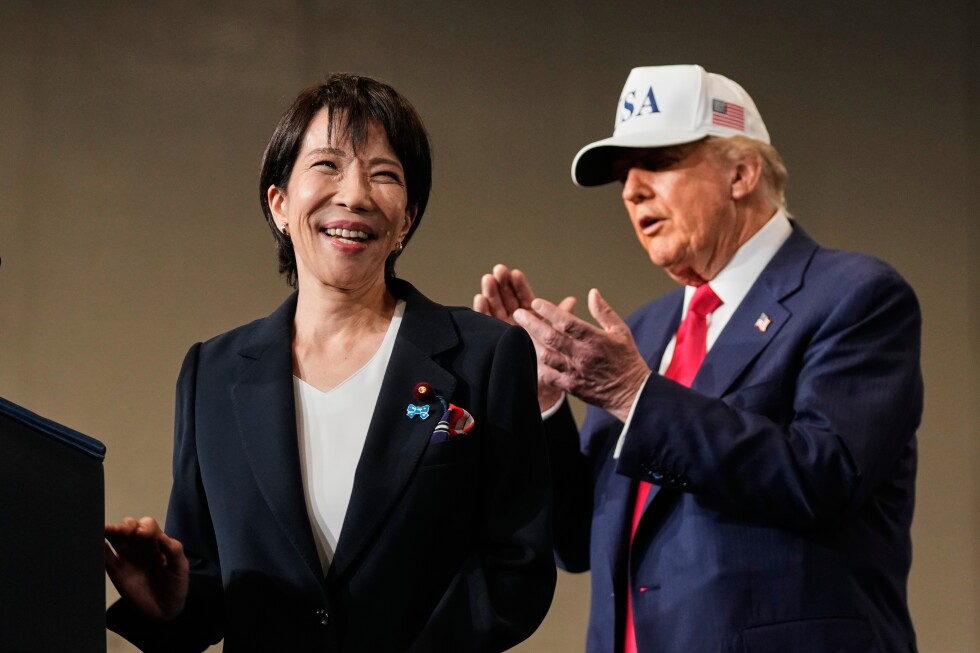
TOKYO — Prime Minister Sanae Takaichi’s decisive electoral triumph has positioned her ruling party to command unprecedented authority in Japan’s lower parliamentary house, enabling a substantial conservative transformation across national security, immigration, and social policy frameworks. This political mandate empowers the administration to pursue what Takaichi characterizes as essential measures for building a ‘strong and prosperous’ nation.
The government’s security overhaul, scheduled for completion by December, represents a historic departure from postwar pacifist principles. The planned enhancements include significantly bolstering military capabilities, rescinding weapons export restrictions, and establishing a national intelligence agency to strengthen cooperation with key allies including the United States, Australia, and Britain. Concurrently, the administration is advancing a contentious anti-espionage legislation that civil rights organizations warn could compromise individual freedoms.
Defense spending commitments remain central to Takaichi’s agenda, with plans to double military expenditures to 2% of GDP by March—fulfilling earlier assurances to former U.S. President Donald Trump. The prime minister’s upcoming White House meeting with Trump on March 19 will focus on defense partnerships, investment packages, and coordinated approaches toward China.
Takaichi’s previous remarks regarding potential Japanese involvement in Taiwan contingencies have already triggered diplomatic friction with Beijing. Her strengthened political position may facilitate more assertive China policies, including possible visits to Tokyo’s Yasukuni Shrine—a site containing war criminals’ remains that regularly provokes regional protests.
The government’s domestic agenda includes stricter immigration controls and revised residency requirements, reflecting growing anti-globalist sentiment within Japan. January saw the implementation of tougher permanent residency rules and naturalization procedures alongside measures addressing tax and insurance compliance.
Social policy initiatives emphasize traditional values, with the administration opposing same-sex marriage and supporting male-only imperial succession. Rather than permitting separate surnames for married couples, Takaichi advocates expanded use of maiden names as aliases—a approach critics argue undermines gender equality.
Economic priorities center on addressing inflation and wage stagnation through substantial government investment in seventeen strategic sectors including food security, energy, defense, and supply chains. Despite concerns over Japan’s massive public debt—approximately triple its economic size—the administration proposes temporary sales tax reductions and potential suspension of food consumption taxes to alleviate household financial pressures.