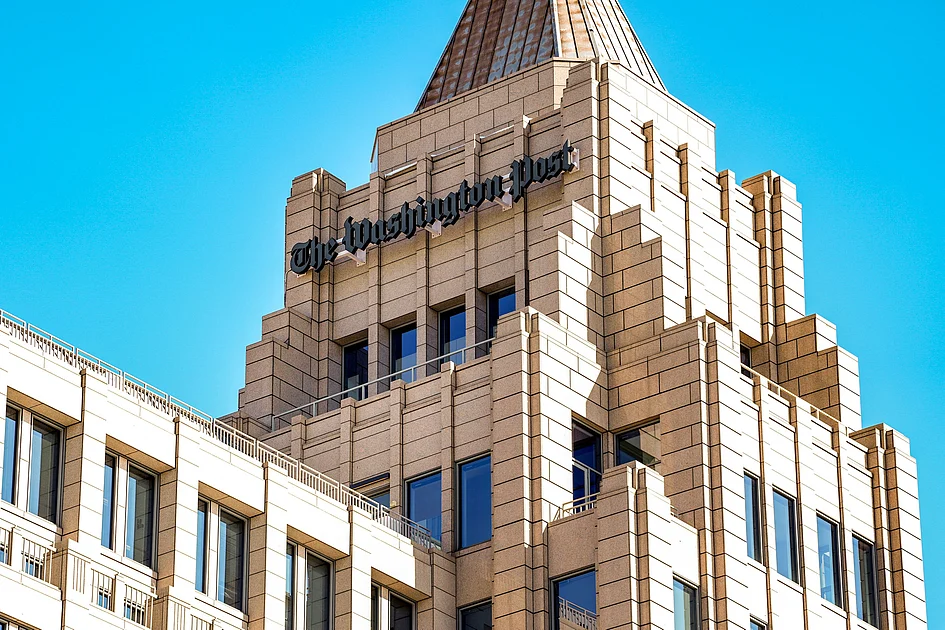
In a dramatic leadership shakeup, The Washington Post announced the immediate departure of CEO and publisher Will Lewis on Saturday, February 7, 2026. This sudden exit follows widespread condemnation of aggressive staff reductions implemented earlier in the week that eliminated approximately 300 positions—nearly 40% of the newsroom—according to reports from The New York Times.
The restructuring measures proved particularly devastating to international coverage, resulting in the elimination of the entire Middle East reporting team and the dismissal of the newspaper’s Kyiv-based Ukraine correspondent despite the ongoing conflict with Russia. Additional cuts severely impacted sports, graphics, and local news departments, while the popular daily podcast ‘Post Reports’ was suspended indefinitely.
Lewis, who spearheaded these controversial measures during his two-year tenure attempting to reverse financial losses, has been succeeded by Jeff D’Onofrio, formerly CEO of social media platform Tumblr and most recently the Post’s chief financial officer. In a staff communication shared publicly, Lewis characterized his departure as ‘the right time for me to step aside,’ acknowledging the ‘difficult decisions’ made to ensure the publication’s ‘sustainable future.’
The newspaper’s ownership under Amazon billionaire Jeff Bezos has faced intensified scrutiny following allegations of editorial interference. Most notably, Bezos reportedly blocked the endorsement of Democratic presidential candidate Kamala Harris days before the 2024 election—an unprecedented breach of traditional editorial independence that many interpreted as capitulation to then-candidate Donald Trump.
This decision apparently carried significant financial consequences, with The Wall Street Journal reporting approximately 250,000 digital subscriber cancellations following the non-endorsement. The Post reportedly lost around $100 million in 2024 as advertising and subscription revenues declined sharply.
Hundreds of journalists and supporters gathered Thursday in front of the newspaper’s Washington headquarters to protest the cuts, reflecting broader concerns about press capacity to hold government accountable. Former executive editor Marty Baron described the restructuring as ‘among the darkest days in the history of one of the world’s greatest news organizations.’
Despite operating with one of the world’s wealthiest individuals as owner, The Washington Post has struggled to achieve the financial stability of competitors like The New York Times and Wall Street Journal, highlighting the severe challenges facing traditional media in the digital era.