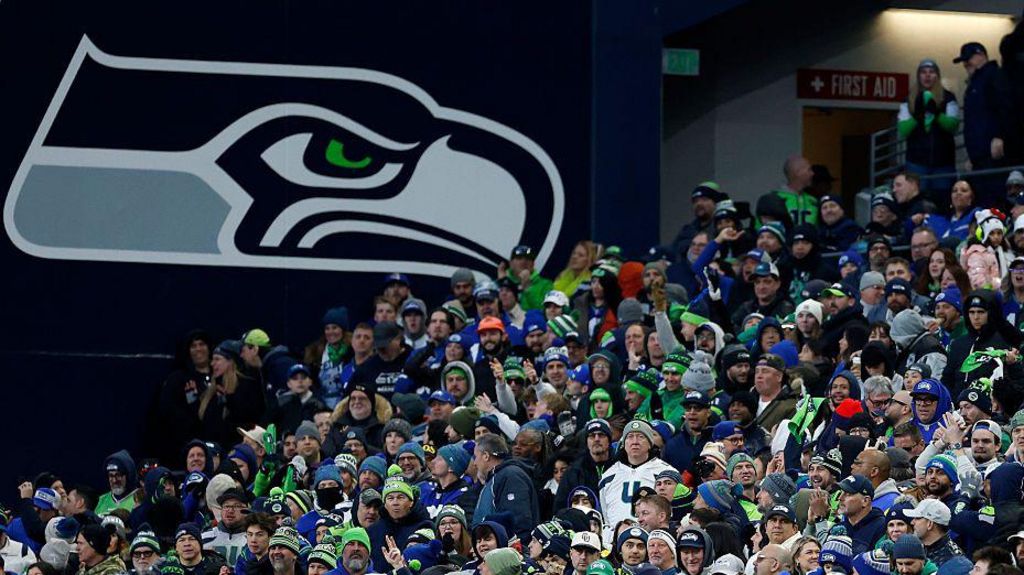
A profound cultural connection has emerged between the Seattle Seahawks NFL franchise and Indigenous communities of the Pacific Northwest, tracing back to the team’s iconic logo origins. The emblem, selected during the 1970s, has been revealed to derive directly from a ceremonial mask created by the Kwakwaka’wakw Nation of Vancouver Island.
The discovery unfolded during the 2014 Super Bowl excitement when Seattle’s Burke Museum initiated an investigation into the logo’s heritage. Researchers identified the inspiration source as a centuries-old transformational mask carved from cedar, originally used in spiritual ceremonies before entering private collections. This mask, representing ancestral family origins, was created during a dark period when Canada’s Indian Act prohibited Indigenous cultural practices, including potlatch gatherings that served as economic and legal systems for coastal communities.
For Wallace ‘Captain Seahawk’ Watts, a dedicated fan with Indigenous ancestry, this revelation became life-changing. “It kind of changed my whole life,” Watts stated while traveling to attend the Seahawks’ Super Bowl appearance. His journey led him to reconnect with his Kwakwaka’wakw heritage through traditional canoe journeys and cultural ceremonies, where he was formally recognized as a cultural guardian.
The mask’s significance extends beyond symbolism. Bruce Alfred, a Kwakwaka’wakw artist involved in authenticating the artifact, notes that government and missionary efforts aimed to “annihilate and assimilate” Indigenous communities through policies now recognized as cultural genocide. Yet the Seahawks logo has sparked a cultural resurgence, with many tribal members investigating their heritage and revitalizing traditional practices.
Unlike controversial sports imagery facing backlash for cultural appropriation, the Seahawks emblem has been widely accepted by Indigenous communities. According to Qwalsius-Shaun Peterson, a Coast Salish artist, the logo respectfully borrows from native artistry without misrepresentation. This has inspired numerous Indigenous artists to create team-inspired artwork reflecting their distinct cultural styles.
The ongoing dialogue surrounding cultural representation continues in museum spaces, where institutions like the Burke Museum collaborate with Indigenous communities to determine appropriate display protocols for sacred objects. Meanwhile, Watts leverages his celebrity status as a superfan to support charitable causes, including mentoring incarcerated Native American youth, embodying the guardian role he discovered through this unexpected cultural connection.