The enduring legacy of Syria’s civil conflict continues to claim innocent lives through hidden explosives, transforming returning communities into perilous landscapes. A tragic incident in Khan Shaykhun, Idlib province, exemplifies this ongoing crisis: ten-year-old Mohammed discovered what appeared to be a toy buried in the earth, only to trigger an anti-personnel mine that proved fatal for him and severely injured his younger brothers.
This family’s tragedy reflects a broader national emergency. Approximately 2.6 million Syrians have returned to their homes over the past fourteen months, many to former frontline areas where an estimated 300,000 active explosive devices remain concealed beneath soil and rubble. According to the International NGO Safety Organisation, these remnants of war have killed or maimed over 1,600 individuals since the ousting of long-time president Bashar al-Assad in December 2024.
Idlib province represents one of the most heavily contaminated regions, having witnessed intense clashes between government forces and opposition groups. Both regime and rebel fighters employed extensive mining tactics, leaving behind anti-personnel mines, improvised explosive devices, and booby traps in residential areas, vehicles, and public buildings.
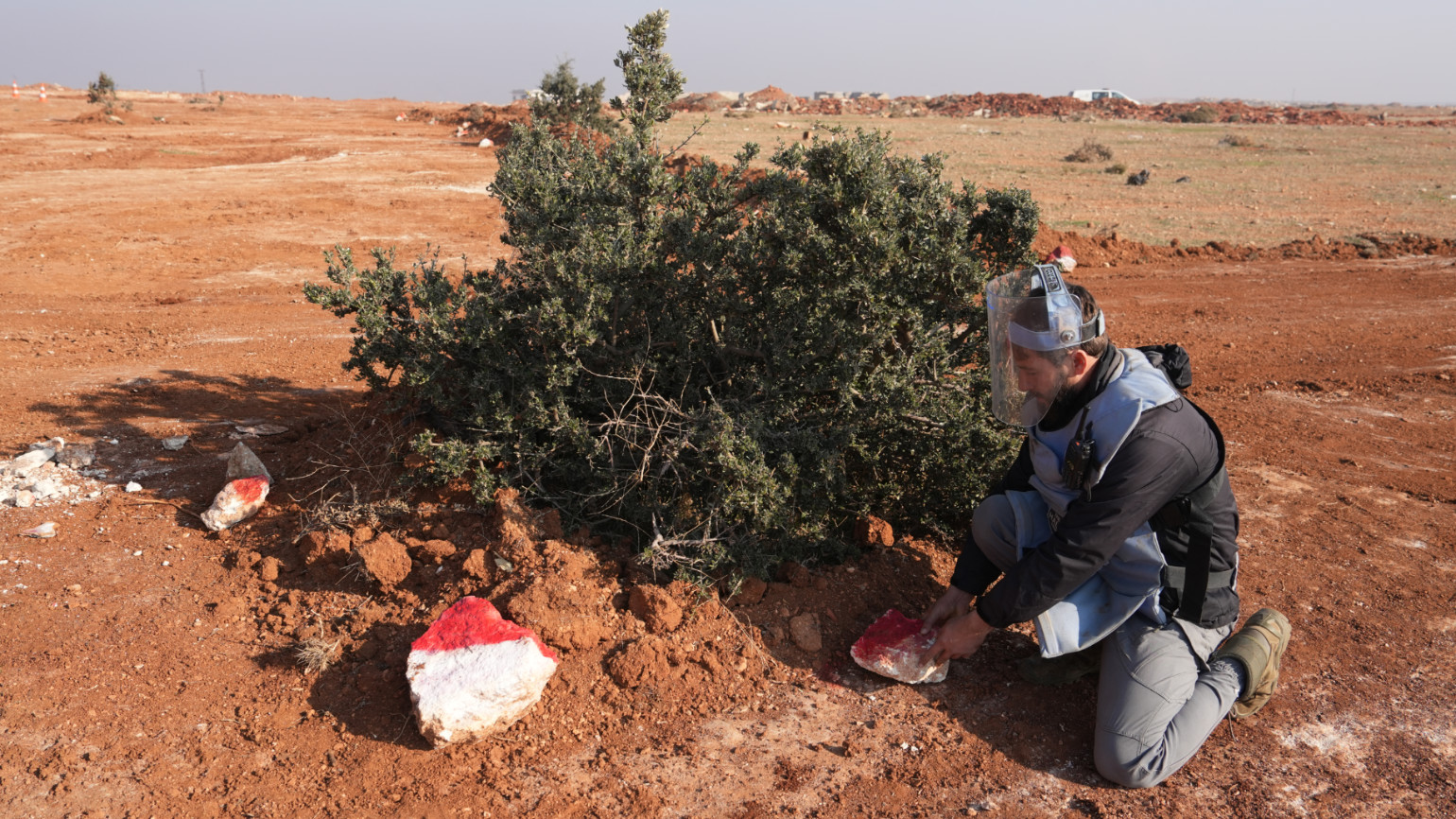
Humanitarian organizations face monumental challenges in addressing this crisis. The Halo Trust, operating in Syria since 2017 with 250 personnel, conducts meticulous clearance operations along a several hundred-kilometer frontline from southern Idlib to northern Aleppo. Their teams perform controlled detonations of cluster munitions, artillery shells, rockets, and grenades—yet the scale of contamination overwhelms current resources.
Syria’s decimated healthcare infrastructure compounds the tragedy. Specialized facilities like Idlib Surgical Specialized Hospital struggle with inadequate medical supplies and equipment. Medical professionals report performing approximately four emergency procedures daily for mine victims, often resorting to amputations due to infection risks and limited surgical capabilities.
Prevention efforts have intensified through organizations like the Mines Advisory Group (MAG), which expanded mine-risk education programs across Syria and refugee-hosting countries. Through community outreach and digital campaigns targeting displaced populations considering return, these initiatives aim to reduce casualties by teaching explosive recognition and avoidance strategies.
For families like Mustafa al-Azraq’s, who returned to their home after five years in displacement camps only to lose a child to unexploded ordnance, the conflict’s end has brought renewed tragedy rather than security. Their story underscores the urgent need for comprehensive demining operations and international support to make Syria’s landscape truly safe for returning populations.