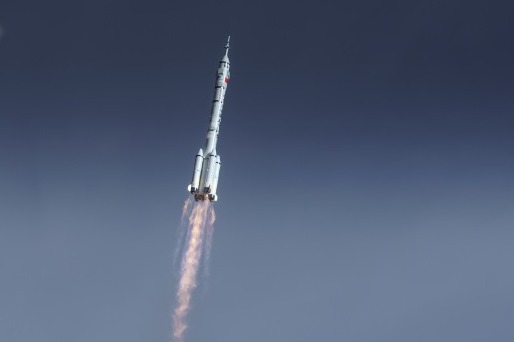
China has marked a significant milestone in its space exploration program with the successful deployment of a reusable experimental spacecraft on Saturday. The launch occurred at the Jiuquan Satellite Launch Center in northwest China, utilizing the reliable Long March 2F carrier rocket system.
According to the official Xinhua News Agency, the spacecraft represents a technological leap forward in China’s aerospace capabilities. The experimental vehicle is specifically engineered to conduct a series of planned technical validations aimed at demonstrating and refining reusable spaceflight technology.
This achievement forms part of China’s broader strategy to develop sustainable space exploration methods that could significantly reduce mission costs and increase access to space. The successful verification of these technologies promises to enhance China’s position in the global space community while supporting peaceful extraterrestrial activities.
The development of reusable spacecraft technology has become a priority for spacefaring nations seeking to establish regular and economically viable access to orbit. China’s progress in this domain demonstrates the nation’s growing proficiency in advanced aerospace engineering and its commitment to becoming a leading space power.
While specific technical details and mission duration remain undisclosed, the accomplishment underscores China’s systematic approach to space technology development through methodical testing and validation processes.