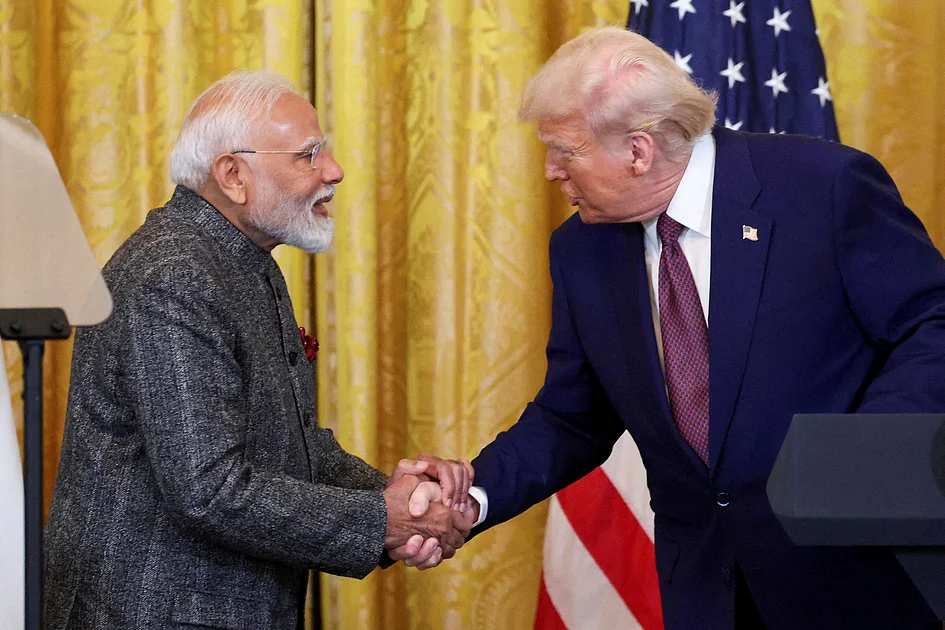
In a significant advancement of economic cooperation, the United States and India have established an interim trade framework that charts a course toward a comprehensive bilateral agreement. The arrangement, unveiled on Friday, represents a strategic realignment of trade relations between the world’s largest democracies.
The cornerstone of this preliminary agreement involves India’s commitment to purchase $500 billion worth of American goods over a five-year period. These purchases will encompass diverse sectors including energy exports (oil, gas, coking coal), aviation equipment (aircraft and aircraft parts), precious metals, and advanced technology products—specifically graphics processing units for AI applications and data center components.
President Donald Trump announced tariff reductions on Indian imports, slashing rates from 50% to 18% following India’s agreement to shift its oil procurement from Russia to the United States and Venezuela. The executive order signed Friday rescinded the additional 25% tariff previously imposed as punishment for India’s Russian oil purchases, which the administration claimed were supporting Moscow’s military operations in Ukraine.
Despite these advancements, the framework reveals notable compromises. India successfully protected its agricultural sector from broad market opening demands, safeguarding sensitive products including maize, wheat, rice, soya, poultry, dairy, ethanol, tobacco, and select vegetables and meats. Trade Minister Piyush Goyal emphasized that the agreement preserves rural livelihoods while providing access to the $30 trillion American market for Indian exporters, particularly benefiting farmers, fishermen, and small-to-medium enterprises.
The agreement outlines specific tariff eliminations or reductions on US industrial goods and agricultural exports including animal feed components, tree nuts, fresh and processed fruits, soybean oil, wine, and spirits. India will receive preferential treatment on certain aircraft parts and auto components through quota systems.
Both nations committed to addressing non-tariff barriers within six months, particularly regarding agricultural products, medical devices, and communications equipment. The framework includes cooperation on sensitive technology export controls and coordinated actions against ‘non-market policies of third parties’—a clear reference to China.
The interim agreement sets the stage for final negotiations toward a comprehensive trade pact potentially to be signed in March, marking a substantial breakthrough after years of stalled discussions spanning agriculture, digital trade, and market access issues.