The U.S. Department of Justice faces severe criticism following a catastrophic failure in its mandated release of millions of documents related to convicted sex offender Jeffrey Epstein. While the disclosure was intended to provide closure for victims under the 2023 legislation, the January 30th release of approximately three million documents instead exposed sensitive information including victim identities, personal emails, bank details, and intimate photographs due to what officials described as ‘technical or human error’ in redaction processes.
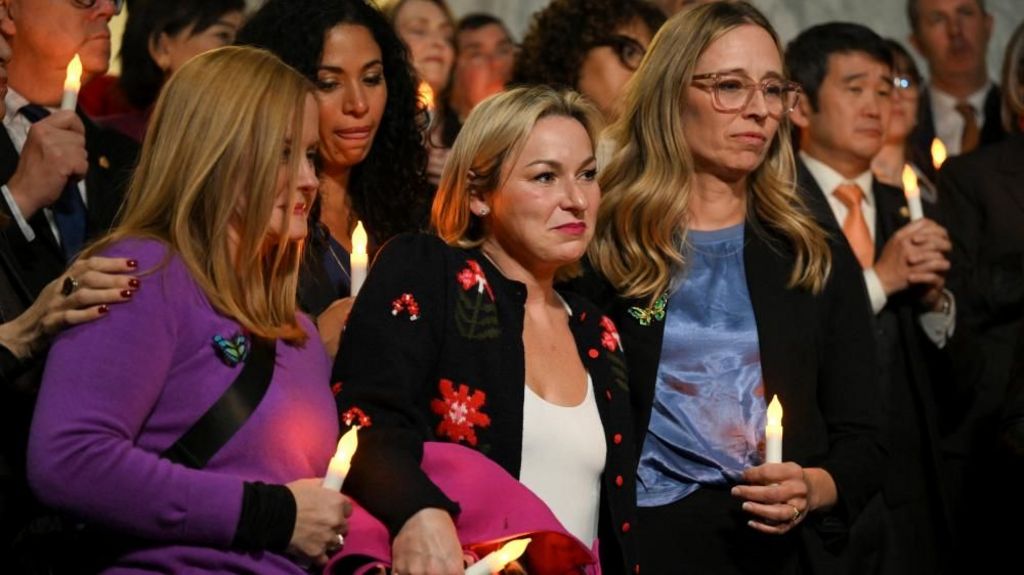
The privacy violation has drawn furious responses from Epstein survivors and advocacy groups. Ashley Rubright, one of Epstein’s victims, expressed her devastation to the BBC: ‘I’m heartbroken for the girls whose information was released. It’s such a huge violation of one of the most terrible moments of their lives.’ Other survivors including Annie Farmer and Lisa Phillips echoed concerns that the breach demonstrates systemic disregard for victim protection and could deter future reporting of sexual crimes.
Kim Villanueva, president of the National Organization for Women, warned of broader implications: ‘It creates a sense that if you come forward you will not be protected.’ Her organization had actively lobbied Congress to compel the files’ release but now questions whether accountability will extend beyond the high-profile figures named in the documents.
The disclosure has indeed triggered consequences for several prominent individuals. Prince Andrew was stripped of his royal titles following renewed scrutiny of his Epstein connections, while Lord Mandelson was dismissed as U.S. ambassador and subsequently left the House of Lords over his association with the financier. Microsoft founder Bill Gates also appeared in the files, though without allegations of wrongdoing.
Beyond the political fallout, the documents reveal deeply disturbing patterns of misogynistic language and objectification. Epstein’s communications with powerful associates—including foreign officials, business leaders, and celebrities—contain crude descriptions of women reduced to their age, nationality, or physical attributes. In one exchange with then-Slovakian Foreign Minister Miroslav Lajčák, Epstein casually offered women with the comment, ‘You can have them both, I am not possessive. And their sisters.’
TV doctor Peter Attia has apologized for his ‘tasteless and indefensible’ comments about female anatomy in emails with Epstein. Numerous other communications show women being evaluated for their appearance rather than qualifications, with one 2017 email describing candidates for an unspecified position as ‘not as pretty as other applicants’ or ‘not very young but beautiful.’
Despite the volume of material released—with the Justice Department warning that some content may be fabricated or misattributed—victims and advocates emphasize that true accountability remains elusive. With the government’s review concluded and no new prosecutions anticipated, survivors continue their exhausting pursuit of justice. As Jess Michaels told BBC Newsnight, ‘It can be really hard to keep going, but we know we’re trying to change things for the next generation.’
The Epstein files disclosure, rather than providing resolution, has exposed fundamental flaws in how institutions handle sexual violence cases and protect victims. As Villanueva concluded, the failure to safeguard survivors’ identities and the lack of meaningful accountability ‘shows that misogyny still reigns in our society.’