In a landmark ruling with profound historical implications, a Nigerian court has mandated the British government to provide substantial compensation to families of victims from a 1949 colonial-era massacre. Justice Anthony Onovo of the Enugu High Court ordered Britain to pay $27 million (£20 million) to each of the 21 families whose relatives were killed when colonial police opened fire on striking coal miners.
The tragic incident occurred on November 18, 1949, at the Iva Valley coal mine in Enugu, then the administrative capital of British-administered Eastern Nigeria. The miners were protesting against harsh working conditions, racial wage disparities, and unpaid back wages. When their demands were ignored, they initiated a non-violent ‘go-slow’ protest and occupied the mine to prevent management from locking them out.
Colonial police forces, comprising both Nigerian and European officers, responded with lethal force against the defenseless strikers. Beyond the 21 fatalities, dozens more were injured in what has been described as one of the most notorious acts of repression during British colonial rule in Nigeria.
Justice Onovo characterized the massacre as an ‘unlawful and extrajudicial violation of the right to life,’ emphasizing that the miners posed no threat to authorities. ‘These defenceless coal miners were asking for improved work conditions, they were not embarking on any violent action against the authorities, but yet were shot and killed,’ he stated in his ruling.
The case was brought forward by human rights activist Mazi Greg Onoh, who named both the British and Nigerian governments as respondents. Professor Yemi Akinseye-George, representing the applicants, hailed the decision as ‘a significant milestone in the pursuit of historical accountability and justice for colonial-era violations, affirming that the right to life transcends time, borders, and changes in sovereignty.’
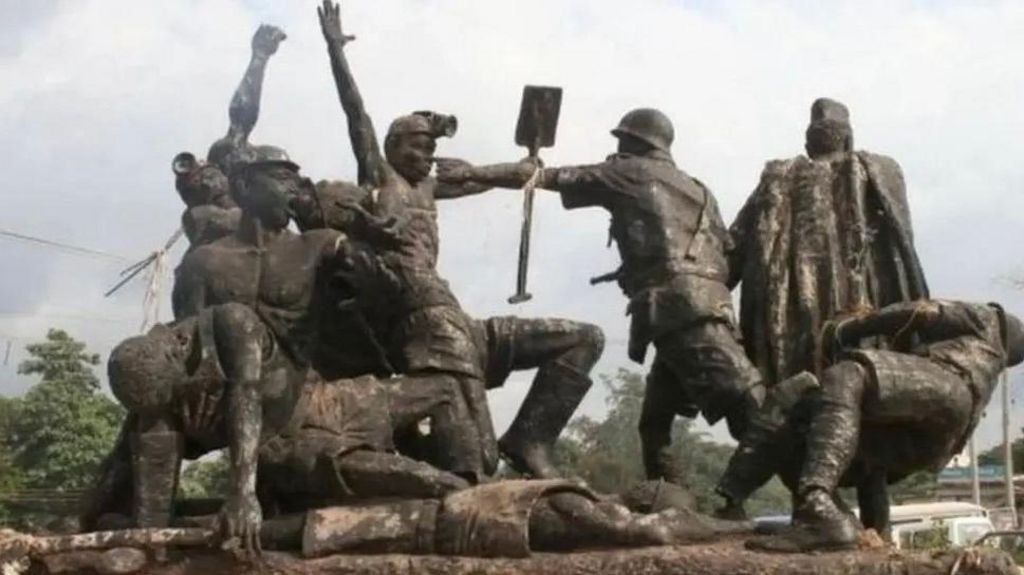
Historians note that the 1949 massacre served as a catalyst for Nigeria’s independence movement, galvanizing public support against colonial rule and contributing to Nigeria’s eventual independence in 1960. The victims are now celebrated as heroes in the region, with memorials including a statue in central Enugu commemorating their sacrifice.
The British Foreign Office has been approached for comment regarding the ruling and potential compensation. The decision represents the culmination of a decades-long campaign by families and rights groups seeking official acknowledgment and reparations for the historical injustice.