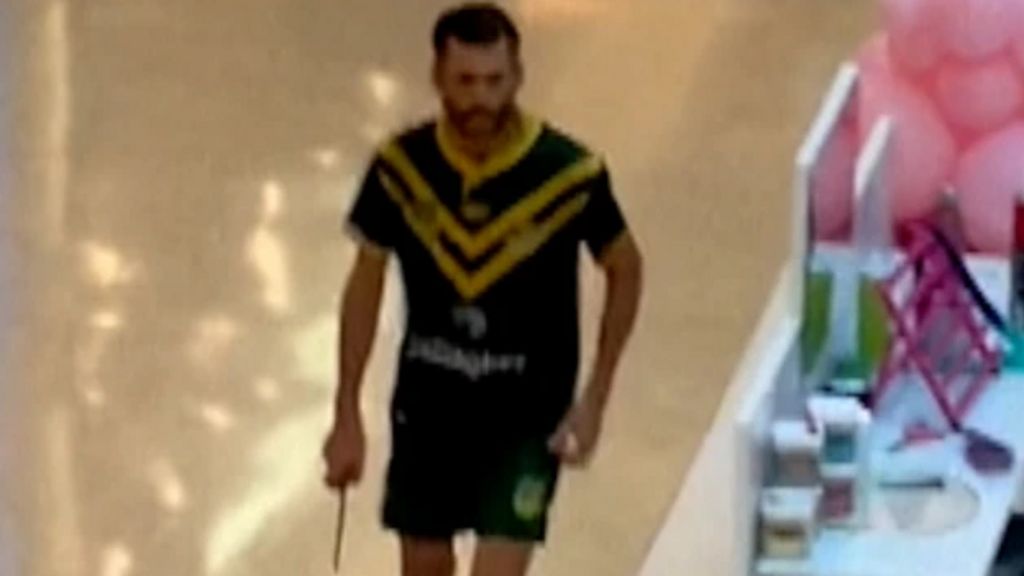
A comprehensive coronial inquest into Sydney’s 2024 Westfield Bondi Junction stabbing rampage has identified critical failures across mental healthcare, law enforcement, and security systems that contributed to Australia’s deadliest mass-casualty event in years. Coroner Teresa O’Sullivan’s 800-page findings reveal how multiple institutional breakdowns enabled Joel Cauchi, a 40-year-old unmedicated schizophrenic, to murder six people and injure ten others during a psychotic episode.
The investigation determined that while psychiatrist Dr. Andrea Boros-Lavack provided ‘exemplary’ care to Cauchi over many years, she committed a ‘major failing’ by disregarding urgent warnings from his family about his mental deterioration in late-2019. The coroner noted the psychiatrist failed to proactively urge Cauchi to resume medication after weaning him off pharmaceuticals, and provided inadequate documentation when transferring his care to another practitioner.
Systemic vulnerabilities extended beyond healthcare. The inquest revealed NSW police missed intervention opportunities due to staffing shortages, with an email warning about Cauchi’s mental state being overlooked amid heavy workloads. Security provisions at Westfield shopping center proved equally deficient, with the sole CCTV operator during the attack deemed ‘incompetent’ for their role.
Coroner O’Sullivan issued 23 recommendations for reform, including referring Dr. Boros-Lavack to Queensland health authorities for investigation, enhancing mental health outreach services, establishing short-term housing for mentally ill individuals, improving inter-agency coordination, and launching public safety campaigns promoting ‘escape, hide, tell’ protocols during armed incidents.
The report also criticized media coverage for exacerbating trauma among victims’ families while recommending bravery awards for police inspector Amy Scott (who neutralized Cauchi), two French bystanders who intervened during the attack, and victim Ashlee Good who died shielding her infant daughter.
Victims’ families expressed that the inquest demonstrated the tragedy represented ‘the end point of a long story’ rather than a random act of violence, with Cauchi’s parents hoping the findings would prevent similar future tragedies.