The United Arab Emirates and Sri Lanka are poised to significantly deepen their economic collaboration through the establishment of a Joint Business Council and enhanced diplomatic engagement throughout 2026. This strategic initiative builds upon five decades of sustained bilateral relations that have progressively expanded across multiple sectors including trade, investment, tourism, and labor cooperation.
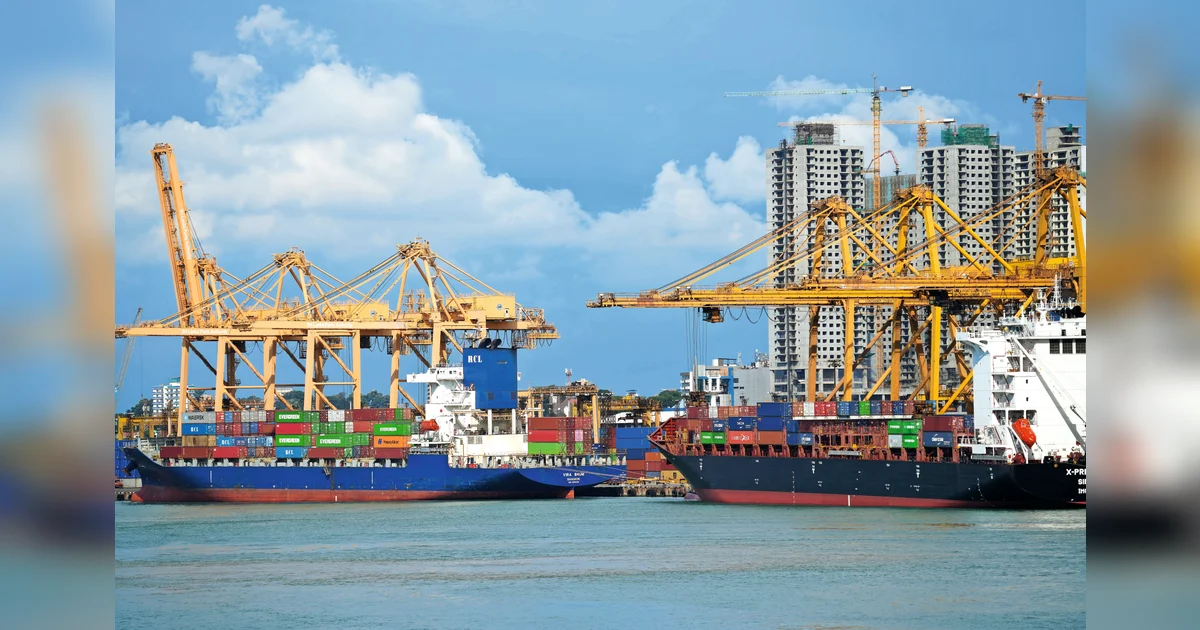
The newly established UAE-Sri Lanka Joint Business Council, formalized through a memorandum of understanding, aims to elevate bilateral trade beyond its current $1.7 billion threshold. The council will specifically focus on accelerating cooperation in renewable energy development and logistics infrastructure, creating institutional frameworks for sustained economic dialogue between business communities in both nations.
Investment flows are expected to increase substantially under the Reciprocal Promotion and Protection Agreement scheduled for 2025 implementation. This agreement establishes secure legal protections for Emirati investments targeting Sri Lanka’s infrastructure modernization and tourism development projects. The framework provides long-term stability for UAE capital entering sectors ranging from energy to hospitality.
Beyond commercial ties, both nations are strengthening cultural connections through planned exchanges of artistic delegations and heritage exhibitions. These cultural initiatives, supported by platforms like Invest Sri Lanka 2026, complement the UAE’s ongoing humanitarian assistance programs that have supported disaster relief and community development projects in Sri Lanka.
Tourism represents another pillar of the enhanced partnership, with UAE investors expressing particular interest in developing high-end eco-tourism facilities in Sri Lanka. Improved air connectivity and infrastructure developments are facilitating this growth, while Sri Lankan tourism authorities are actively promoting destination awareness through participation in major regional travel exhibitions.
The Sri Lankan government is implementing significant reforms to attract foreign investment, including extended tax holidays of up to 15 years and positioning Colombo Port City as a new financial hub. These measures, combined with renewed political stability, create favorable conditions for UAE investors seeking opportunities in South Asian markets.
Notably, the proposed Comprehensive Economic Partnership Agreement (CEPA) between the nations would further liberalize trade in services and investments, particularly in tourism, logistics, and information technology sectors.
The human dimension of this relationship is substantial, with approximately 350,000 Sri Lankan expatriates residing in the UAE—the world’s second-largest Sri Lankan diaspora. Remarkably, nearly one-third occupy professional white-collar positions in engineering, banking, hospitality, and architecture, reflecting a qualitative shift in labor exports from semi-skilled to specialized professional services.