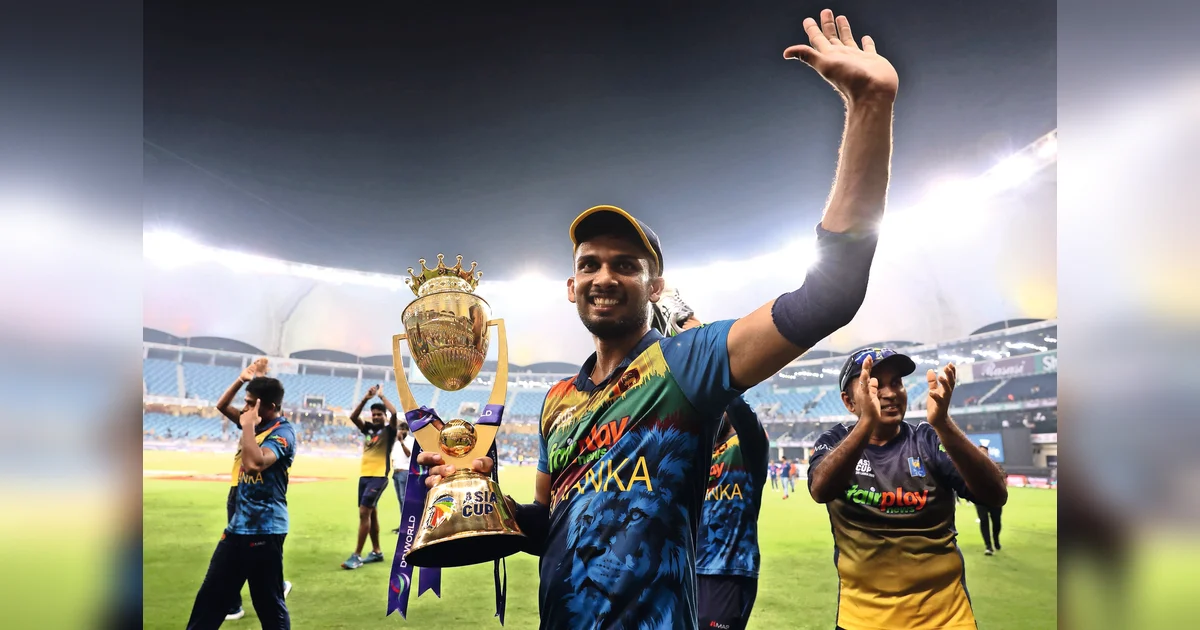
In the tapestry of Sri Lankan society, cricket transcends mere athletic competition to embody the nation’s collective spirit and historical journey. This sport, initially introduced during colonial rule, has been remarkably transformed into a powerful instrument of national expression and international recognition. Across village playgrounds and international stadiums alike, cricket has consistently served as a unifying force that bridges socioeconomic divides and generational gaps, creating shared moments of triumph that resonate deeply throughout the island nation.
The evolution of Sri Lankan cricket parallels the country’s post-independence narrative, characterized by determination, resilience, and global ambition. The national team’s distinctive style—marked by elegant batting techniques, inventive spin bowling, and intuitive adaptation to playing conditions—has established Sri Lanka as a respected force in international cricket. Beyond sporting achievements, the game has provided cultural continuity during periods of political and economic transformation, with packed stadiums, traditional drumming, and waving lion flags creating rare spaces of national unity.
Cricket’s societal impact extends far beyond the boundary rope. The sport functions as a crucial mechanism for youth development and social mobility, with school and club systems forming the backbone of talent identification and cultivation. For generations, cricket has provided structure, discipline, and aspiration, embedding itself deeply within both rural and urban communities. This accessibility has ensured the game remains a collectively owned national treasure rather than an elite pursuit.
Internationally, Sri Lankan cricketers have carried the nation’s identity to global audiences through participation in leagues worldwide. Their technical proficiency, adaptability, and innovative approach to the game have earned widespread respect, reinforcing Sri Lanka’s reputation as a nation that consistently exceeds expectations in the sporting arena. For the global Sri Lankan diaspora, matches involving the national team serve as powerful cultural touchstones that maintain connections to heritage and foster community across continents.
As cricket evolves globally toward faster formats and data-driven approaches, Sri Lanka faces the challenge of preserving its distinctive creative flair while remaining competitive. The upcoming co-hosting of the ICC Men’s T20 World Cup 2026 with India—featuring 20 teams and 55 matches—represents a significant opportunity. This tournament will allow Sri Lanka to showcase its organizational capabilities, modern infrastructure, and rich cricketing heritage to an international audience while reaffirming its position within the global cricket community.
The T20 format’s accelerated, globally appealing nature mirrors contemporary sporting trends, and Sri Lanka’s participation underscores its ongoing relevance in international cricket. As the nation celebrates its Independence Day, cricket stands as a enduring symbol of unity, perseverance, and national ambition—a testament to how far Sri Lanka has progressed and a beacon for its future aspirations both domestically and on the world stage.