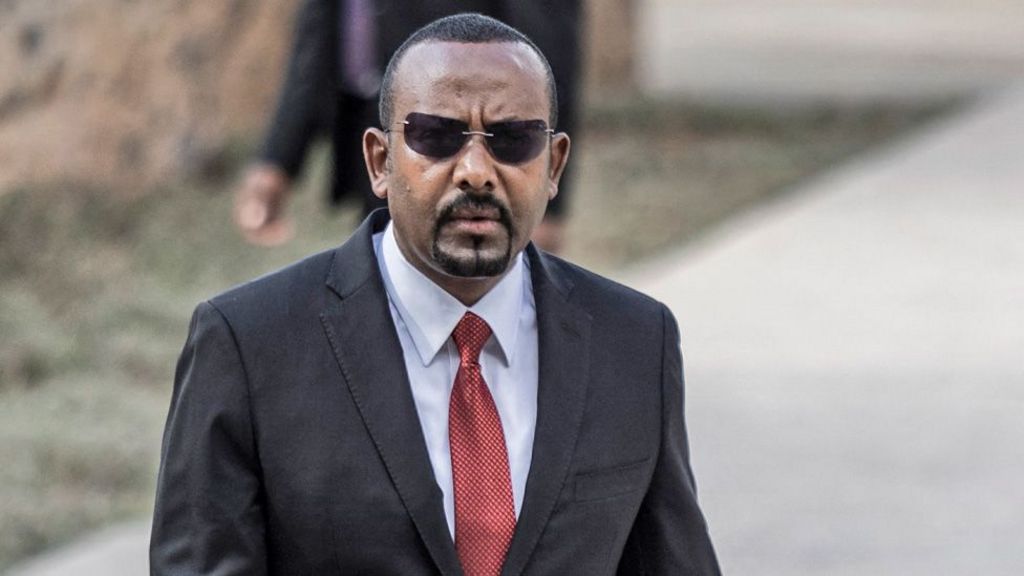
In a dramatic parliamentary address, Ethiopian Prime Minister Abiy Ahmed has publicly condemned Eritrean military forces for committing widespread atrocities during the devastating Tigray conflict that ravaged northern Ethiopia from 2020-2022. This marks the first official admission from Addis Ababa regarding Eritrea’s involvement in mass killings, specifically referencing the November 2020 Aksum massacre that Asmara had consistently denied.
The Prime Minister detailed how Eritrean troops, who fought alongside Ethiopian government forces against Tigrayan rebels, engaged in systematic destruction across multiple cities including Adwa, Aksum, Adigrat and Shire. According to Abiy’s testimony, these operations included wholesale demolition of residential properties, looting of civilian possessions, destruction of industrial infrastructure, and seizure of manufacturing machinery.
This condemnation represents the latest deterioration in the volatile relationship between these Horn of Africa neighbors, whose alliance has historically oscillated between cooperation and hostility. The current tensions stem partly from Ethiopia’s persistent quest for Red Sea access through Eritrean territory and recent allegations of shifting allegiances in Tigray.
The 2022 Pretoria Agreement that formally ended the Tigray conflict excluded Eritrea as a signatory, with Asmara having opposed the peace deal for not achieving the complete military defeat of the Tigray People’s Liberation Front (TPLF). Independent investigations by organizations including Amnesty International had previously documented extensive human rights violations during the conflict, with Eritrean forces accused of some of the most severe atrocities.
The timing of Abiy’s statement coincides with renewed regional tensions, including a five-day suspension of passenger flights between Addis Ababa and Tigrayan cities following recent clashes in western Tigray. These developments have raised concerns among international observers about potential renewed hostilities in the region where the African Union estimates approximately 600,000 lives were lost during the two-year war.