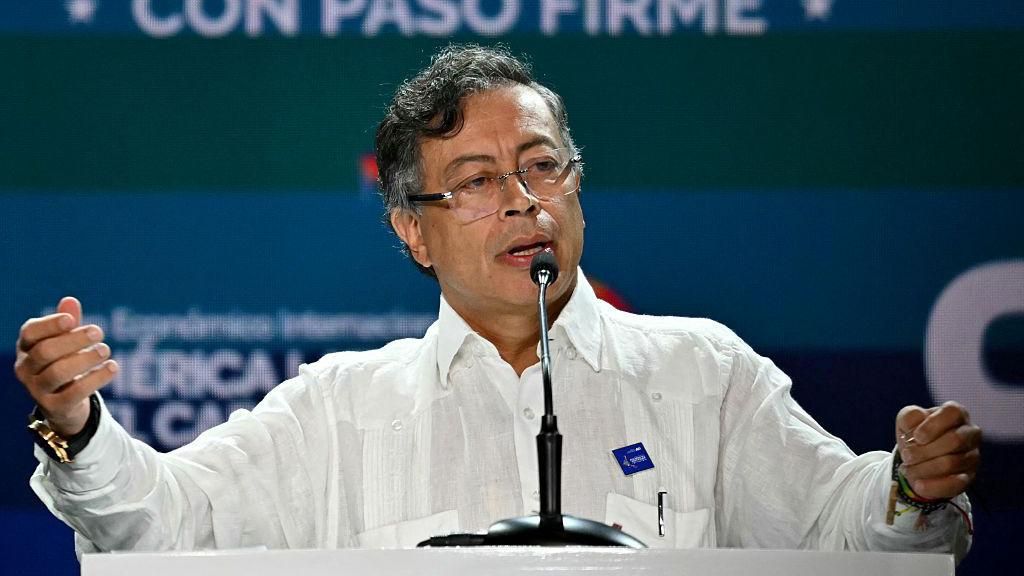
Colombian President Gustavo Petro is embarking on a critically important diplomatic mission to Washington for his first face-to-face meeting with US President Donald Trump, following months of escalating tensions and hostile exchanges between the two leaders. The high-stakes encounter at the White House on Tuesday will address multiple pressing issues including Venezuela’s political crisis, narcotics trafficking, oil security, and controversial US military operations targeting alleged drug vessels.
The relationship between the two nations has been strained by Petro’s repeated condemnations of US foreign policy, including his comparison of US Immigration and Customs Enforcement agents to ‘Nazi brigades’ and accusations of American imperialistic treatment of other countries. Conversely, Trump has criticized Colombia’s anti-narcotics efforts, accusing Petro’s administration of insufficient action against cocaine flow and threatening expanded military strikes in the region.
A significant breakthrough occurred following a January 3rd US military operation that seized Venezuela’s President Nicolás Maduro, after which the two leaders held what was described as a ‘cordial’ phone conversation that Colombian officials characterized as an ‘180-degree turn from both sides.’ US Senator Rand Paul of Kentucky played a pivotal role in facilitating this diplomatic opening, expressing his belief that relations were heading in the wrong direction and required intervention.
Central to their discussions will be security concerns along the 1,367-mile Colombia-Venezuela border, where the National Liberation Army (ELN) guerrilla group maintains significant control over drug trafficking, extortion operations, and illegal mining activities. According to security analysts from Insight Crime, approximately 1,200 of ELN’s 6,000 members operate in Venezuela, often collaborating with corrupt elements within the Venezuelan military establishment.
The meeting holds particular significance for US oil companies seeking to operate in Venezuela post-Maduro, as ELN forces pose substantial security threats to foreign investors and employees. Elizabeth Dickinson of International Crisis Group notes that asking Venezuelan military forces to combat ELN presents challenges due to their aligned financial interests in the group’s illicit operations.
Despite recent tensions that led Colombia to temporarily suspend intelligence sharing with US agencies, military cooperation between the two nations has continued through the Drug Enforcement Administration and Colombian police forces. The outcome of this diplomatic encounter could significantly impact Colombia’s upcoming presidential election in August, where Petro supports Senator Iván Cepeda as his potential successor.