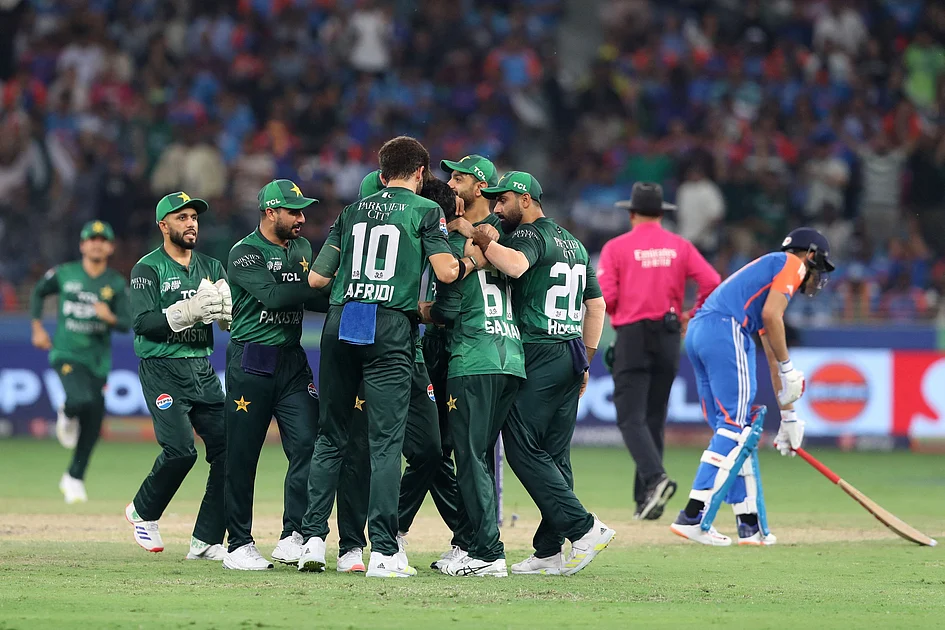
In an unprecedented move that has reverberated throughout the international cricket community, Pakistan has officially withdrawn from its high-stakes T20 World Cup match against arch-rival India scheduled for February 15 in Colombo. This calculated decision, endorsed by the Pakistani government and supported by former cricketing legends, represents a profound protest against what many perceive as systemic imbalances within the International Cricket Council’s governance structure.
The geopolitical tensions underlying this boycott center on recent ICC decisions, particularly the handling of Bangladesh’s tournament participation and the controversial removal of Mustafizur Rahman from the Indian Premier League. Former Pakistan wicketkeeper Rashid Latif, in an exclusive interview, articulated the growing sentiment among many cricket nations that the ICC has consistently favored the Board of Control for Cricket in India (BCCI) in critical decision-making processes.
Latif emphasized the significance of Pakistan’s stance, noting that while the BCCI remains cricket’s most financially powerful entity, the sport’s integrity suffers when competitive balance is compromised. The former captain highlighted specific incidents including the ICC’s refusal to relocate Bangladesh’s matches to co-host Sri Lanka despite establishing a precedent during last year’s Champions Trophy when India’s matches were moved to Dubai for security reasons.
Adding to the diplomatic friction was last year’s ‘handshake gate’ incident during the Asia Cup, where Indian players refused customary post-match gestures with Pakistani counterparts months after the neighboring nuclear powers nearly escalated into full-scale conflict.
The financial implications of this boycott are substantial, with India-Pakistan matches typically generating approximately $400 million in broadcasting and advertising revenue. This fixture consistently ranks among the most-watched sporting events globally, making Pakistan’s withdrawal a significant economic blow to both the ICC and broadcast partners.
Despite forfeiting potential points in Group A, where Pakistan faces comparatively weaker opponents including the Netherlands, Namibia, and the USA, the team’s World Cup prospects remain viable following their recent series victory over Australia. However, questions persist regarding how Pakistan would handle a potential knockout-stage encounter against India.
The ICC has issued statements warning of ‘long-term implications’ for Pakistan’s cricket future, but many analysts believe the organization cannot afford to alienate a nation that represents nearly 400 million passionate cricket followers. This standoff ultimately underscores the delicate balance between sporting excellence, political realities, and commercial interests in modern international cricket.