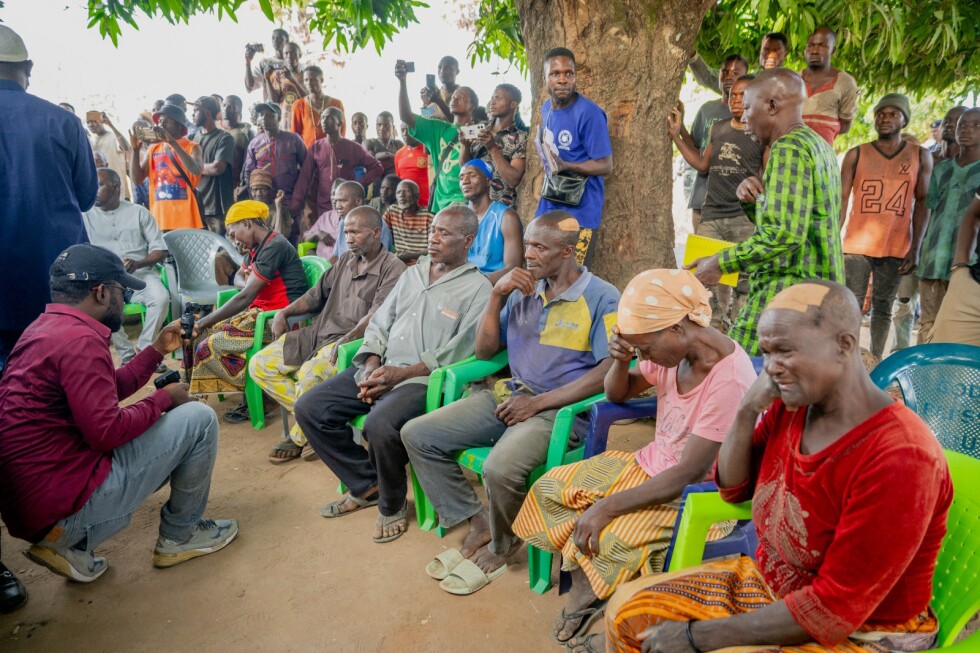
ABUJA, Nigeria — In a significant counterterrorism operation, Nigerian military forces have eliminated a high-ranking Boko Haram commander along with ten militants during a nighttime assault in the northeastern region. The targeted strike occurred Saturday in Kodunga, Borno State, dealing a substantial blow to the extremist group’s operational capabilities.
Army spokesman Sani Uba confirmed that Abu Khalid, a key figure within Boko Haram’s terrorist hierarchy, was killed in the operation. Khalid had been coordinating critical operations and logistical support from the Sambisa Forest stronghold in Borno state, making his elimination a strategic victory for Nigerian forces.
The successful raid yielded substantial military gains, with troops recovering weapons caches, medical supplies, and food provisions from the militants. This operation represents part of Nigeria’s newly adopted proactive military strategy against insurgent groups, marking a departure from previous reactive approaches that often left military installations vulnerable to attacks.
This development follows recent devastating attacks by Boko Haram militants that claimed dozens of lives at a construction site and military base earlier in the week. The insurgency, which began in 2009 as a movement opposing Western education and advocating for strict Islamic law, has evolved into a complex security crisis involving multiple extremist factions.
The conflict now encompasses the Islamic State West Africa Province (ISWAP), an ISIS affiliate that has expanded operations beyond Nigeria’s borders into neighboring countries. According to United Nations estimates, the violence has resulted in approximately 35,000 civilian casualties and displaced over two million people across the region.
Security analyst Taiwo Adebayo of the Institute for Security Studies noted that the Nigerian military’s offensive strategy, initiated last month, represents a fundamental shift in counterinsurgency tactics. The new approach involves preemptive movements into insurgent hideouts rather than responding to attacks after they occur.
International support has bolstered these efforts, with the United States conducting intelligence-gathering flights over Borno since November 2020. This cooperation enabled more precise targeting of armed groups, culminating in December airstrikes against Islamic State fighters in northern Nigeria amid concerns about attacks on Christian communities.
Nigeria continues to face multifaceted security challenges, with the northeastern insurgency accompanied by escalating ransom kidnappings across northwestern and north-central regions in recent months.