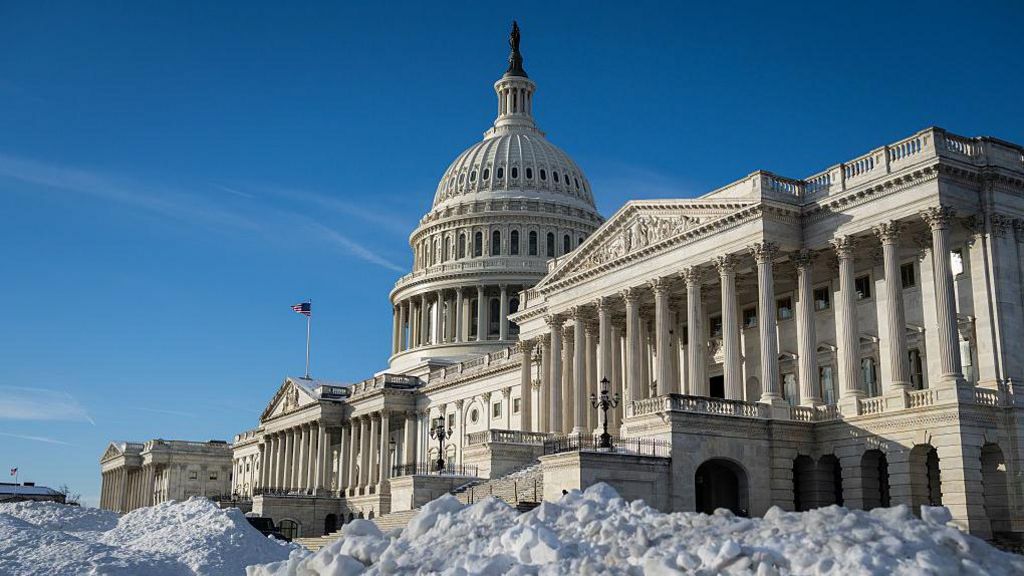
The United States federal government has entered a partial shutdown following a legislative impasse, despite the Senate’s approval of a last-minute funding arrangement just hours before the midnight Friday deadline. This marks the second government shutdown within the past year, occurring merely 11 weeks after the conclusion of the record 43-day funding crisis in 2025.
The Senate-approved bill proposed funding most federal agencies through September but specifically excluded the Department of Homeland Security, granting it only a two-week funding extension. This temporary measure was designed to create a negotiation window for immigration enforcement policies, which have become a contentious issue following recent events in Minneapolis.
The legislative process remains incomplete as the House of Representatives, where Republicans hold majority control, has not yet voted on the measure. President Trump has publicly urged Republican representatives to support the agreement when they reconvene on Monday.
The current shutdown differs significantly from the prolonged 2025 closure in both scope and anticipated duration. While the White House has instructed several agencies including Transportation, Education, and Defense to implement shutdown protocols, the impact is expected to be more limited. A White House memorandum indicated that employees should report for duty to conduct orderly shutdown activities while expressing optimism that “this lapse will be short.”
The funding dispute stems from Democratic refusal to approve additional immigration enforcement funding after the fatal shooting of two U.S. citizens by federal agents in Minneapolis. This incident has sparked intense criticism from both parties regarding immigration enforcement tactics.
In response to the shooting of Alex Pretti, an intensive care nurse, by a Border Patrol agent during an altercation, the Justice Department has initiated a civil rights investigation. The tragedy has intensified calls for reform, with Senate Minority Leader Chuck Schumer demanding increased oversight, judicial warrants, visible identification for officers, and an end to roving patrols by immigration authorities.
Lawmakers are expected to use the two-week Homeland Security funding extension to negotiate comprehensive immigration enforcement policies, though significant partisan differences remain regarding the appropriate scope and methods of immigration control.