Beyond the gleaming skylines and master-planned developments for which it is renowned, the United Arab Emirates is quietly pioneering a transformative urban movement. A strategic shift toward adaptive reuse is converting derelict, underutilized, and forgotten properties across the nation into vibrant epicenters of community, culture, and commerce.
This paradigm change, fueled by progressive zoning reforms and forward-thinking urban planning frameworks like the Dubai 2040 Urban Plan, is redefining urban growth. It positions adaptive reuse not as an alternative to development, but as a complementary strategy that prioritizes value creation over mere expansion. The central question evolving cities face—what to do with structures that have outlived their original purpose—is being met with innovative answers that unlock significant economic and social capital.
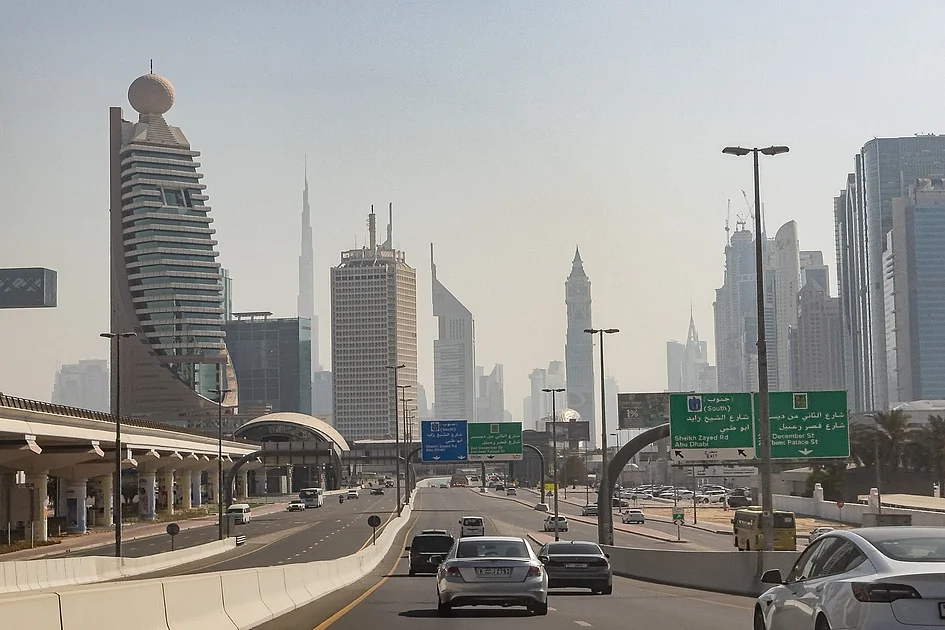
Exemplifying this trend is the metamorphosis of Al Yaqoub Tower on Sheikh Zayed Road. Once a largely vacant icon known as Dubai’s ‘Big Ben,’ stalled by financial disputes, it is now being redeveloped into the AHS Tower, a premier Grade A+ commercial office building. Its remarkable success, with 95% of space pre-leased ahead of completion, demonstrates the potent viability of reactivating underperforming assets in prime locations, a move often more sustainable and effective than new construction.
The movement extends beyond single towers to encompass entire districts. La Mer, a former popular beachfront retail destination, is being re-envisioned by Merex Investment into J1 Beach, a dynamic day-to-night lifestyle hub. This approach prioritizes long-term relevance and flexible, experience-driven placemaking over short-term trends.
Nowhere is the cultural impact more palpable than in Al Quoz, where former industrial warehouses are being repurposed into creative studios, event venues, and small businesses, forming the burgeoning Al Quoz Creative Zone. This builds on the seminal success of Alserkal Avenue, proving regeneration can anchor permanent creative economies, not just temporary installations.
In Abu Dhabi, the scope ranges from the historical restoration of Qasr Al Hosn to initiatives like MiZa in Mina Zayed, where historic warehouses are becoming mixed-use innovation spaces. Collectively, these projects signal a broader national direction: leveraging regeneration as a primary tool for balanced, people-centric urban development that weaves together heritage, environmental responsibility, economic vitality, and public life. This thoughtful renewal of the existing urban fabric is ultimately shaping more resilient, inclusive, and connected communities for the future.