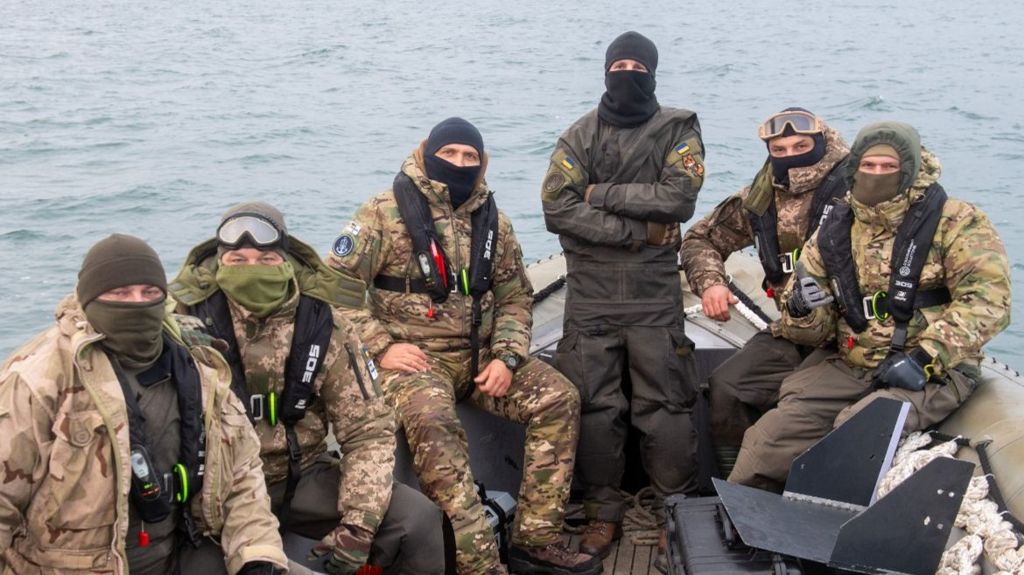
Beneath the surface of the Black Sea lies a hidden battlefield where Ukrainian Navy divers wage a dangerous war against thousands of submerged explosives. Vitalii, a 31-year-old demining specialist, describes the meticulous process of approaching live mines in pitch-dark waters: “We move carefully and extremely slowly so that the mine does not detonate. One second you move, then you stay still for some time, and you repeat until you reach the object.
The scale of contamination is staggering. Russian-laid sea mines from the initial invasion join World War II-era ordnance and weapons washed downstream after the 2022 Kakhovka dam explosion. Commander Fox, leader of the navy’s mine countermeasures group, estimates thousands of active mines with countless additional unexploded missiles, artillery shells, and bombs creating an underwater minefield.
Each demining operation represents an extraordinary undertaking—requiring two days, multiple boats, and 20 personnel to neutralize a single device. Divers use closed-circuit rebreathers that produce no bubbles as they work in total silence to avoid triggering acoustic sensors. The process involves disabling multiple sensors through controlled explosions before safely destroying or moving each mine.
This hazardous work occurs amidst ongoing combat operations. Russian missiles, drones, and electronic warfare that scramble GPS signals add layers of danger to an already perilous mission. Despite these challenges, Ukraine has maintained surprising maritime parity with Russia, creating conditions that allow commercial shipping to continue through the only export corridor.
The economic stakes are enormous. Maritime exports account for over two-thirds of Ukrainian agricultural exports, generating approximately $9 billion in essential revenue. Navy spokesman Dmytro Pletenchuk notes that commercial companies continue accepting the risks, with vessel traffic remaining steady despite the threats.
While the British Navy donated two mine-hunting vessels in 2023, these remain stationed in the UK due to the vulnerability of large ships in the Black Sea. Without advanced equipment, Commander Fox estimates the current demining pace would require dozens of years to clear the seabed—a timeline that ensures Ukraine’s divers will continue their painstaking, second-by-second advances through mine-infested waters for the foreseeable future.