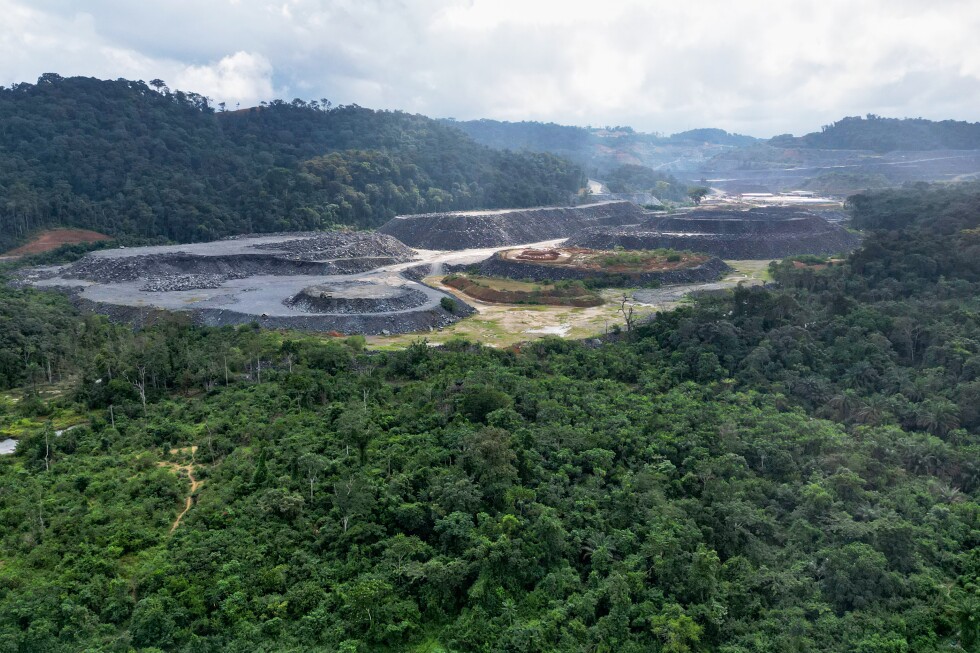
A comprehensive investigation by The Associated Press and The Gecko Project has uncovered systemic environmental violations by Liberia’s largest gold mining operation. Bea Mountain Mining Corporation, the nation’s premier gold producer, has repeatedly discharged hazardous chemicals including cyanide at concentrations exceeding Liberia’s legal limits, according to environmental authorities.
The investigation reveals a pattern of ecological damage and community distress spanning several years. Residents of adjacent villages reported consistent findings of dead fish in local waterways and expressed profound frustration over unaddressed grievances. Beyond chemical contamination, communities attributed structural damage to homes from mining explosions and increased human-wildlife conflicts as elephants, displaced by operational blasts, raided agricultural lands.
Tensions culminated in violent protests across Gogoima and Kinjor villages in 2024, where residents alleged law enforcement responded with excessive force including beatings, tear gas deployment, and three fatalities. Liberia National Police spokesperson Cecelia Clarke dismissed these allegations as “false and misleading.”
Financial analysis indicates substantial export revenues exceeding $576 million between July 2021 and December 2022, with government receipts totaling $37.8 million during this period. Despite this economic activity, community investment remained minimal at just $2 million for environmental and social programs—representing merely 0.35% of export earnings. The Liberian government maintains a 5% stake in these operations.
Regulatory documents retrieved from Liberia’s Environmental Protection Agency (EPA) indicate four documented chemical spills between 2016 and 2023, with the company failing to promptly report incidents as required. EPA inspectors repeatedly recommended financial penalties, yet only one $99,999 fine was issued in 2018, later reduced to $25,000 without explanation.
Canadian toxicologist Mandy Olsgard, upon reviewing EPA reports, characterized the corporate conduct as “sustained negligence.” In response to mounting violations, Bea Mountain withdrew from the Cyanide Management Code, an international standard requiring independent audits.
The supply chain investigation traced Bea Mountain’s gold to Swiss refiner MKS PAMP, which supplies technology giants including Nvidia and Apple. While MKS PAMP commissioned an independent assessment that identified health and safety improvements without recommending relationship termination, the findings remain confidential.
Bea Mountain is ultimately controlled by Murathan Günal through Avesoro Resources, part of the Turkish billionaire Günal family’s Mapa Group conglomerate. Neither entity responded to requests for comment regarding the investigation’s findings.